Professional illustration about Lucked
What Does 'Lucked Up' Mean?
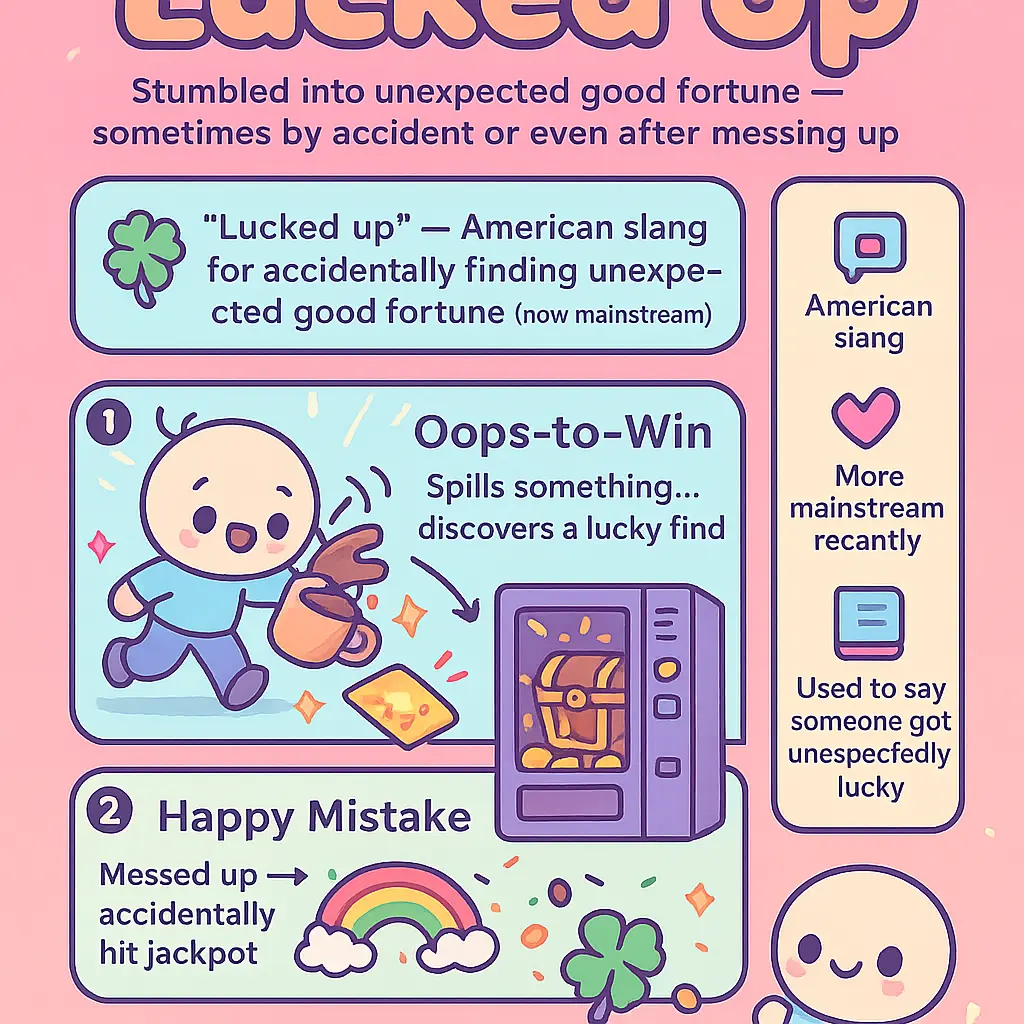
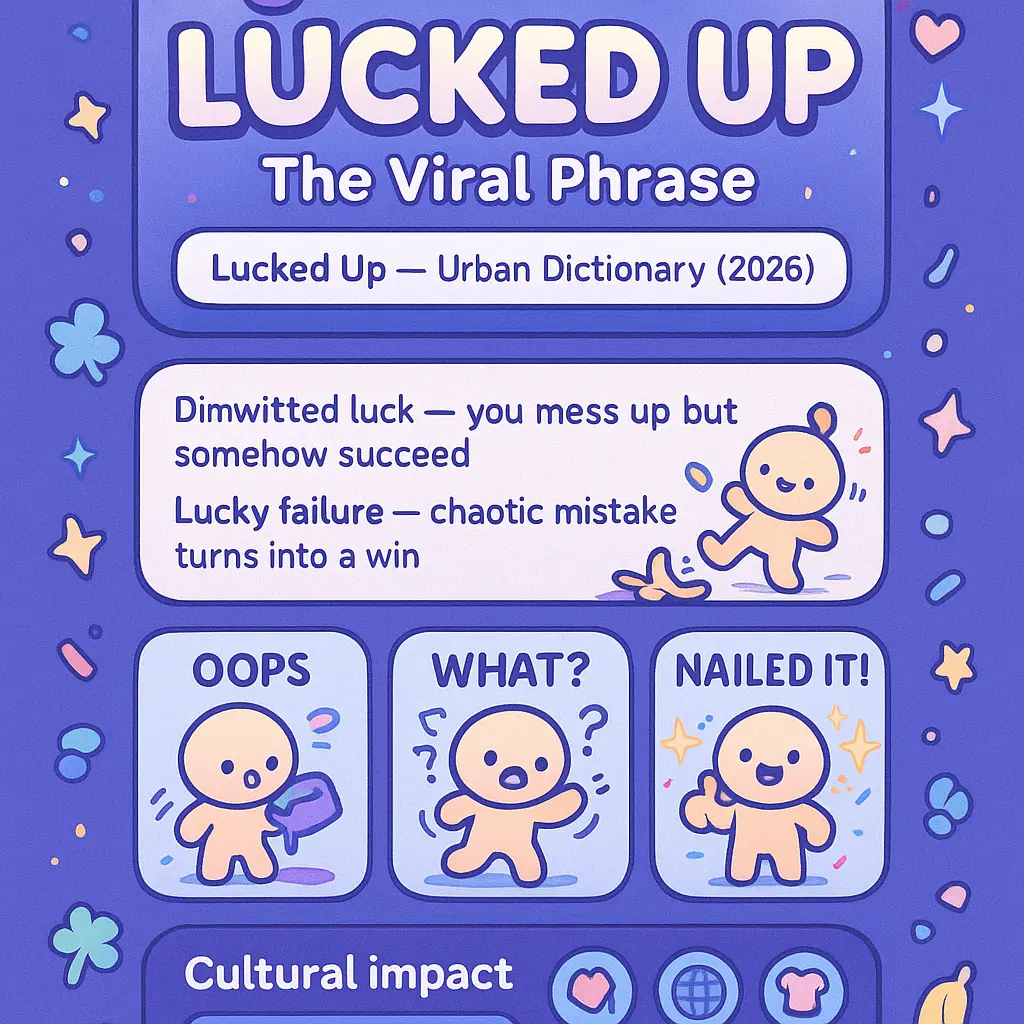
When people in America say someone “lucked up,” they’re usually describing a situation where someone stumbles into unexpected good fortune—sometimes by sheer accident or even after messing up. The phrase “lucked up” is an example of American slang that’s become more mainstream in recent years. Urban Dictionary defines “lucked up” as the act of achieving success or gaining something desirable by chance, rather than through deliberate effort or planning. Unlike the more common “lucky,” which implies a passive state, “lucked up” often carries the connotation of something almost undeserved, where the person might have been dimwitted, careless, or even on the verge of failing, but somehow things just worked out.
In real life, “lucked up” can apply to many kinds of situations. For example, let’s say someone forgets the deadline for a major project at work but, due to a sudden extension, manages to submit it on time. That’s a classic “lucked up” moment—messing up but succeeding anyway, usually without intending to. Similarly, in the world of professional success, you might hear stories about entrepreneurs or artists who “lucked up” by meeting the right investor or collaborator at the exact moment they needed it, transforming their career trajectory overnight.
The phrase has also crossed over into pop culture, especially in music and film. For example, Nigerian film industry, known for its vibrant Nollywood scene, produced a romantic comedy titled “Lucked Up,” released in 2026. Directed by Charles Uwagbai and featuring a talented movie cast including Efe Irele, Rachael Oniga, Chioma Nwosu, and Alexx Ekubo, the film explores the unpredictable nature of love and fortune in Lagos, focusing on characters who “luck up” in romance and personal ambition despite seemingly impossible odds. The movie, distributed by Creative Unit Studios and associated with prominent locations like Ring Road, cleverly plays on the dual meaning of feeling lucky and stumbling into success, especially in relationships.
In the music industry, “lucked up” is also a familiar theme. Reach Records and Columbia Records, both under Sony Music Entertainment, have featured tracks titled “Lucked Up” in various playlists on Spotify and other digital music platforms. These songs often explore themes of financial success, romantic success, and the joy of experiencing unexpected good fortune. Artists use the phrase to describe everything from winning the lottery to landing a once-in-a-lifetime music collaboration. The popularity of such tracks lies in their relatable lyrics, which echo the common fantasy of luck turning around just when everything seems to be going wrong.
From an American slang perspective, “lucked up” is not to be confused with “locked up” or “lucked out.” While “lucked out” is used in British English to describe someone who missed out (in a negative sense), in American English, “lucked up” has an upbeat, positive spin. It’s about those moments when the universe seems to conspire in your favor, regardless of your effort or planning. This subtle but important distinction is what makes the phrase a favorite for describing unlikely breakthroughs in sports, business, and even in navigating day-to-day inconveniences like avoiding a road tax penalty by pure chance.
If you’re aiming for professional or financial success, understanding the cultural context of “lucked up” can actually be empowering. It’s a reminder that while hard work is important, sometimes being open to opportunity and embracing spontaneity plays a crucial role in achieving your goals. Whether you’re an artist hoping to be discovered on Spotify, a filmmaker looking to make your mark like Charles Uwagbai, or simply someone hoping for a bit of extra good fortune, being ready to “luck up” means keeping your eyes open for moments when life gives you more than you bargained for.
In summary, “lucked up” is a phrase that captures the unpredictable magic of unexpected good fortune—whether in romantic comedy plots, hit music tracks, or everyday American conversation. It’s about that feeling of being in the right place at the right time, sometimes after a misstep, and finding success in the most surprising ways.
Professional illustration about Dictionary
Origins of 'Lucked Up'
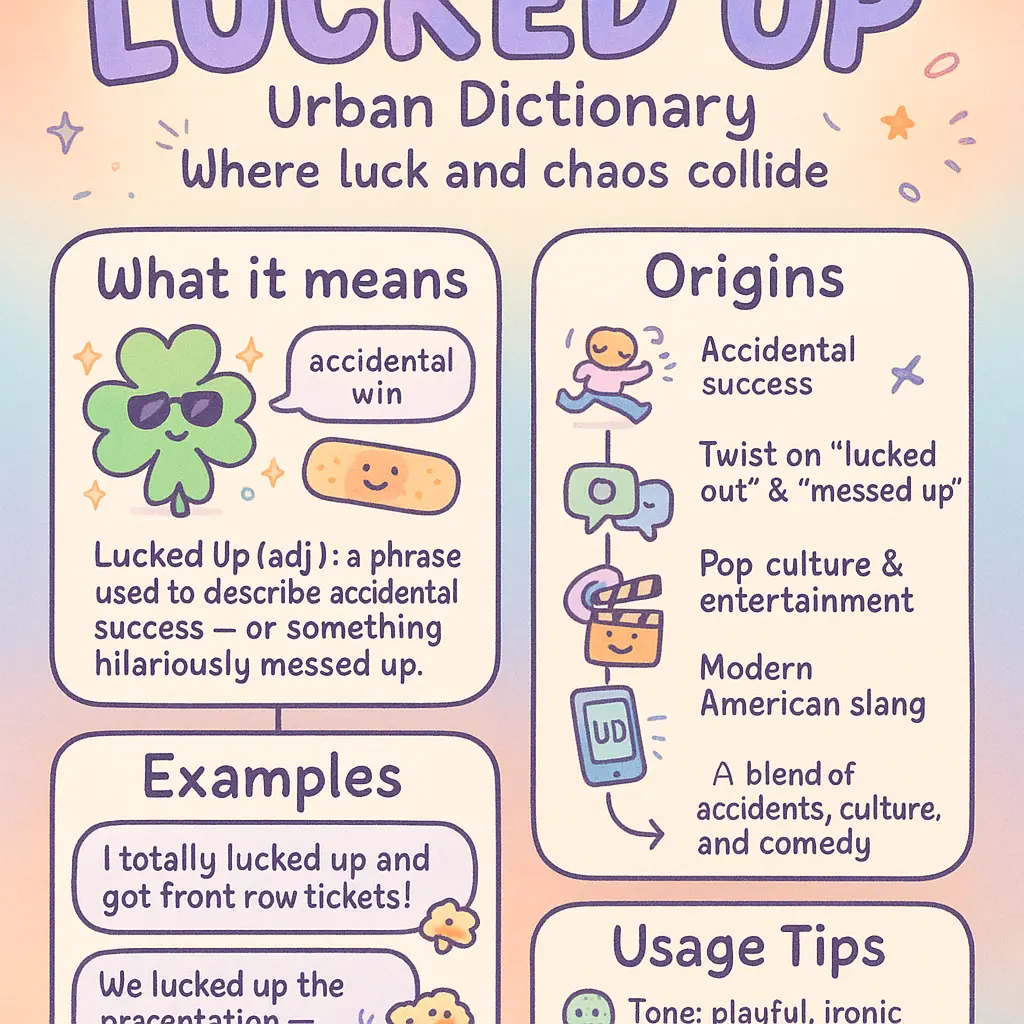
The roots of the phrase “Lucked Up” are fascinating and reflect its unique journey across cultures, entertainment, and modern American slang. While some might assume that Lucked Up is simply a twist on “lucked out” or “messed up,” its actual origin story involves a blend of accidental success, creative reinvention, and cross-continental influence. According to Urban Dictionary and current conversations in 2026, Lucked Up stands out for describing moments when someone stumbles into unexpected good fortune, especially after a period of confusion or even dimwitted luck. The term’s popularity surged in the early 2020s, but its usage now extends far beyond online slang dictionaries.
One of the most significant boosts to the phrase’s visibility came from Nigeria’s vibrant film industry. In 2026, Rok Studios released the Nigerian romantic comedy Lucked Up, directed by Charles Uwagbai and featuring a star-studded movie cast including Efe Irele, Alexx Ekubo, and Rachael Oniga. The film, listed on IMDb and discussed on popular digital platforms, centered around characters who consistently “mess up but succeed”—embodying the spirit of feeling lucky when everything seems to go wrong. Set in bustling Lagos and spotlighting themes like professional success, financial success, and romantic success, the movie blended relatable everyday struggles with comedic triumphs. Locations such as Ring Road and quirky plot points involving Road Tax added authentic local flavor that resonated with Nigerian viewers. Yet, it was the universal message that caught on globally, as audiences in the United States and beyond found themselves using “Lucked Up” to describe similar moments in their own lives.
The phrase’s migration into the music world is another compelling chapter. Reach Records, in partnership with Columbia Records and Sony Music Entertainment, helped propel Lucked Up into the American mainstream by collaborating with rising artists and producing tracks that celebrated unexpected good fortune. By 2026, several musical comedy films and digital albums—including projects featuring Nigerian stars like Chioma Nwosu—have used “Lucked Up” in their song lyrics. On Spotify, users create playlists with titles such as “Lucked Up Moments” or “Dimwitted Luck Anthems,” celebrating the experience of feeling lucky after a streak of mishaps. The phrase has become central to popular tracks where the narrative involves failing upward or winning against the odds—a testament to its versatility in both musical and everyday vernacular.
Cultural adaptation has also played a huge role in the evolution of “Lucked Up.” While the term initially drew meaning from messing up but succeeding, it now encompasses broader definitions. For example, young professionals in New York and tech entrepreneurs in Silicon Valley use “I just lucked up” to describe breakthroughs in professional success or landing unexpected investment deals. In romantic circles, saying you “lucked up” in a relationship means finding happiness in the least likely circumstances, often after a series of disappointments. This multi-layered usage mirrors the narrative arcs seen in films like Lucked Up, where characters, despite their flaws and setbacks, ultimately find themselves landing on their feet.
The creative community hasn’t missed out on the trend either. In 2026, Creative Unit Studios and several independent filmmakers are exploring “Lucked Up” as a thematic anchor for short films, web series, and digital content. Their storytelling frequently highlights messing up but succeeding, showing characters who transform mistakes into opportunities for growth. These representations align with the American Slang definition—where “Lucked Up” is no longer just about dumb luck, but an attitude of resilience and optimism.
It’s essential to note that the phrase’s journey isn’t just about entertainment or slang. Its incorporation into conversations around financial success, romantic success, and professional achievement underscores its relevance in social media feeds, motivational talks, and everyday discussions. In 2026, “Lucked Up” has become a shorthand for describing a life touched by the magic of unexpected wins—whether through the lens of a Nigerian film, the beat of a global music collaboration, or the aspirations of someone simply looking for their next big break.
The widespread embrace of “Lucked Up” illustrates how pop culture, digital platforms, and cross-cultural storytelling have shaped modern slang. From the creative plots of Nigerian movies to the infectious hooks of Spotify playlists, the term’s origins are a testament to the way language adapts, evolves, and thrives in today’s interconnected world.
Professional illustration about Nigeria
Common Uses in 2026
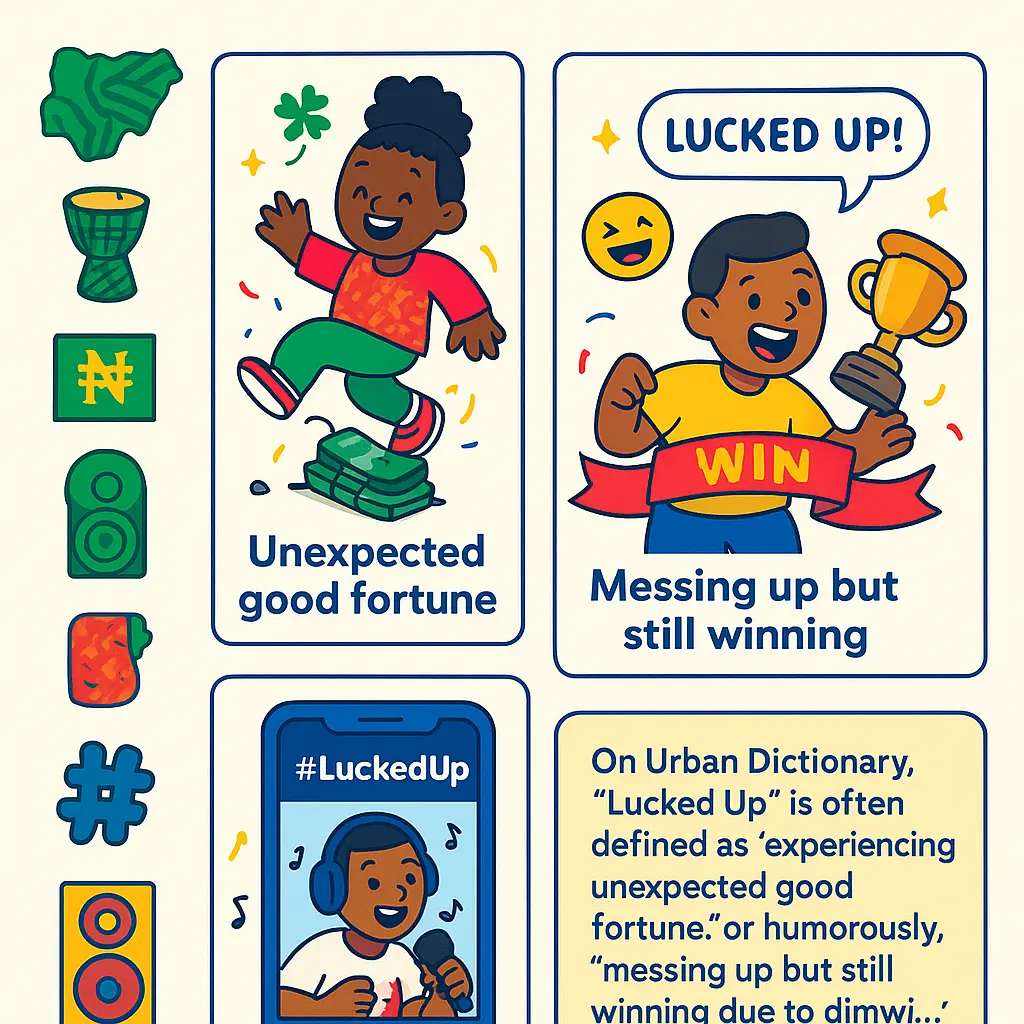
In 2026, the phrase Lucked Up has evolved into a multifaceted slang term, thriving across digital, entertainment, and music platforms. On Urban Dictionary, Lucked Up is frequently defined as “experiencing unexpected good fortune,” or, more humorously, “messing up but still winning due to dimwitted luck.” People use it to describe everything from narrowly escaping trouble on a road tax payment, to landing a dream job after a total flub at an interview. In professional circles, especially on LinkedIn and other career-focused forums, Lucked Up is a go-to hashtag for sharing stories of professional success—like getting a lucrative deal after missing a crucial email, or stumbling into financial success through a chance encounter. Spotify playlists in 2026 feature tracks titled or themed around the idea, like those from Reach Records, Columbia Records, and even Sony Music Entertainment, celebrating moments when artists “lucked up” in their careers. For instance, Efe Irele and Alexx Ekubo—both prominent Nigerian actors—have mentioned in interviews how they “lucked up” into major roles after random auditions, contributing to creative collaborations with studios such as Rok Studios and Creative Unit Studios.
In the entertainment industry, Lucked Up has become an integral part of discussions around romantic success and unexpected plot twists. Take the Nigerian romantic comedy film ‘Ring Road’ directed by Charles Uwagbai, which debuted in early 2026 featuring Rachael Oniga and Chioma Nwosu. The movie’s plot centers on characters who “lucked up” in love through a series of hilarious mix-ups—a classic example of how the slang term has seeped into movie taglines, IMDb descriptions, and even fan reviews. The cast often jokes about how their own careers mirrored the film’s theme, highlighting moments where dimwitted luck led to major breakthroughs. In music, collaborative projects are frequently described as “a lucked up moment,” especially when unexpected featured artists join tracks that end up charting high on digital platforms. This is evident in the 2026 musical comedy film soundtracks—where spontaneous artist pairings between Reach Records and Sony Music Entertainment have produced viral tracks, pushing the Lucked Up narrative across social channels.
For the everyday American, the phrase shows up in conversations about everything from securing a last-minute reservation at a top restaurant to finding road tax exemptions during travel in Nigeria. The cross-cultural appeal is significant: Nigerians in 2026 use “lucked up” to share everyday tales of triumph, especially on social media where hashtags blend English slang with local dialects. In Spotify comment threads, users build playlists named “Feeling Lucky,” featuring songs about accidental success, messy romance, and financial windfalls. Song lyrics increasingly tap into the vibe—spotlighting how artists lucked up by turning personal setbacks into celebrated achievements. Columbia Records and Reach Records have released compilations specifically themed around Lucked Up, gathering stories from their musicians about pathways to success that started as complete missteps.
The phrase remains central in pop culture dialogue and digital storytelling. On IMDb, Lucked Up is often referenced in film synopses for genres ranging from romantic comedy to musical comedy. Nigerian cinema, which gained international attention through works by Charles Uwagbai and studios like Rok Studios, leverages the term to market movies where characters embody dimwitted luck and unexpected good fortune. Cast interviews with Alexx Ekubo and Efe Irele often mention how they lucked up in auditions, adding a human touch to their movie promotions. As for the music scene, playlists on platforms such as Spotify and Apple Music curate tracks that reflect the Lucked Up spirit, and digital music platforms note a spike in searches for playlist creation around “messing up but succeeding.”
Overall, the 2026 usage of Lucked Up is deeply intertwined with professional, financial, and romantic success stories, permeating everything from social media posts to high-profile entertainment projects. Whether you’re a fan of Nigerian film, a music lover building playlists about accidental wins, or someone sharing a lucky career moment, Lucked Up is the go-to slang for celebrating life’s unpredictably victorious moments.
Professional illustration about IMDb
Lucked Up vs. Locked Up
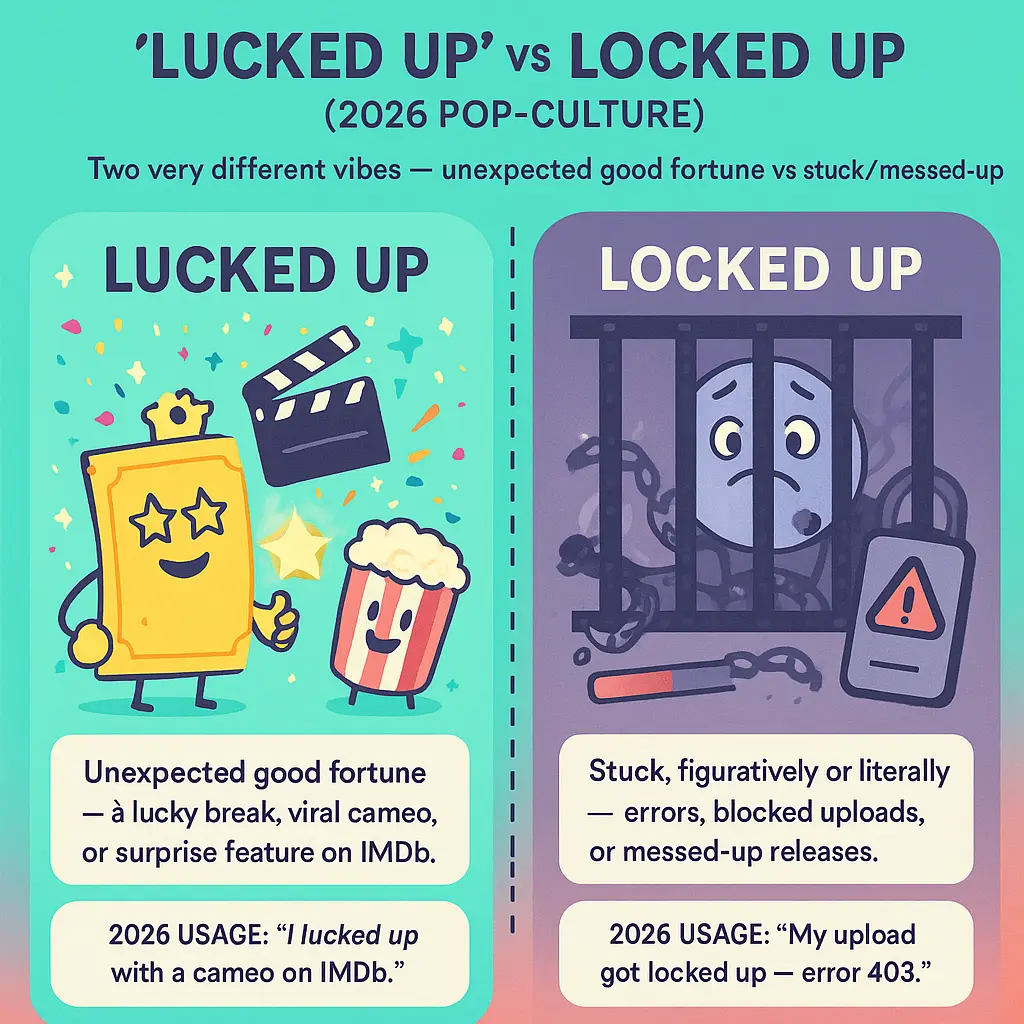
When people talk about being “lucked up” versus “locked up,” the differences couldn’t be more stark—on one hand, you’re enjoying unexpected good fortune, and on the other, you’re literally or figuratively stuck or messed up. In American slang, especially in the 2026 pop culture scene, “lucked up” leans into that vibe of feeling lucky or achieving success by stumbling into the right situation. Urban Dictionary highlights “lucked up” as classic dimwitted luck: the person messes up but still comes out ahead, often by accident or through unforeseen opportunity. This phrase has become increasingly popular not just in meme culture, but also in film, music, and everyday conversation.
Take the Nigerian romantic comedy film “Lucked Up”—launched by Rok Studios and featured on IMDb—which exemplifies this concept perfectly. The cast includes Efe Irele, Rachael Oniga, Chioma Nwosu, and Alexx Ekubo, all playing characters whose professional, financial, and romantic success seems to hinge on accidental windfalls rather than carefully plotted moves. Directed by Charles Uwagbai, the film’s plot revolves around people who, through a series of mishaps and unexpected circumstances, end up exactly where they want to be. It’s not about being “locked up”—which would mean facing obstacles, setbacks, or even literal imprisonment—but about using those moments of chaos to your advantage. The movie’s setting, from bustling Ring Road scenes to debates over road tax negotiations, blends local flavor with universal appeal, making “lucked up” relatable from Nigeria to the US.
Comparatively, “locked up” remains a term loaded with negative implications; it’s about boundaries, missed opportunities, and restrictions—think of someone who can’t progress in their career or romantic life due to external or internal constraints. Yet, in the context of 2026 creative industries, this juxtaposition has inspired a wave of musical and cinematic content that flips the narrative. Reach Records, Columbia Records, and Sony Music Entertainment have collaborated with artists who produce tracks celebrating the “lucked up” spirit, found on curated Spotify playlists and music streaming platforms everywhere. These tracks often feature lyrics about overcoming adversity and turning mess-ups into moments of triumph—aligning with the “lucked up” mentality and moving away from the “locked up” state of mind.
For young professionals and artists, the lesson is clear: you don’t have to have everything figured out to achieve professional success. Sometimes, what seems like a major slip-up—missing a gig, botching a pitch, or messing up a song lyric—can actually lead to unexpected good fortune. In music, creative collaboration projects, and digital album releases, featured artists often recount stories of “lucked up” moments when last-minute changes or accidental introductions led to career breakthroughs. For instance, Creative Unit Studios recently brought together a slew of rising stars whose collaborations were originally unplanned but turned into top hits in 2026, exemplifying the “lucked up” scenario over the “locked up” one.
If you’re aiming for financial and romantic success, taking calculated risks is vital—but so is staying open to lucky breaks and using setbacks as springboards. Whether you’re crafting that viral playlist, seeking out new movie cast opportunities, or hustling for your next big campaign, remember that “lucked up” isn’t just about winning by chance; it’s about recognizing opportunity when it comes and not letting the fear of being “locked up” keep you from making bold moves. In short, the difference between “lucked up” and “locked up” underscores the unpredictable nature of success: sometimes, the best outcomes come when you least expect them, so embrace both the randomness and the risks that come your way.
Professional illustration about Studios
Popular Culture References
Popular culture has fully embraced the phrase "Lucked Up," giving it new dimensions far beyond its original street slang roots. When people search for “Lucked Up” on Urban Dictionary in 2026, they discover definitions ranging from dimwitted luck—where someone “messes up but somehow succeeds anyway”—to the feeling of unexpected good fortune that hits you out of nowhere. This American slang term isn’t just a playful description anymore; in the last few years, it’s become a key part of storytelling in movies, music, and even social media memes.
Nigerian Cinema: The Rise of 'Lucked Up' Themes One stand-out example is Nigeria’s growing film industry, where "Lucked Up" became central to the 2026 romantic comedy produced by Rok Studios and directed by Charles Uwagbai. This film, set on Ring Road and themed around road tax mishaps, features a cast including Efe Irele, Rachael Oniga, Chioma Nwosu, and Alexx Ekubo. The movie draws comedic power from its main character's habit of messing up—but still somehow winning big in professional and romantic success. The narrative blends hilarious accidents with heartfelt moments, revealing how feeling lucky often means stumbling into good fortune when life appears out of control. According to the latest IMDb rankings, the film’s popularity speaks to a global audience fascinated by the “Lucked Up” archetype. Its 2026 release has even prompted international streaming platforms like Netflix and Prime Video to increase acquisitions of Nigerian content, emphasizing the global appeal of mess-ups that turn into wins.
Music Industry: “Lucked Up” as a Chart-Topping Vibe Beyond film, “Lucked Up” is now a signature vibe in music trends. On platforms like Spotify in 2026, playlists titled "Lucked Up Life" and “Dimwitted Luck” feature popular tracks from Reach Records, Columbia Records, and Sony Music Entertainment. American and Nigerian artists collaborate more than ever, with musical comedy tracks and motivational lyrics centered around unexpected good fortune. For example, Reach Records' newest album includes features from both local and international artists who tell stories of stumbling through tough times, only to find themselves feeling lucky on the other side. The rise of playlist creation around this theme shows listeners want songs that ride the rollercoaster between failure and success—highlighting relationship drama, financial chaos, and the thrill of last-minute victories.
The Digital Pop Culture Loop Movie soundtracks, TikTok challenges, and Instagram Reels riff off the concept of being “Lucked Up.” Clips from Creative Unit Studios’ 2026 musical comedy film, as well as song lyrics about narrowly avoiding disaster, dominate feeds. Whether it’s a character in a rom-com dodging a road tax or a musician freestyling about professional success found in the strangest ways, these references reinforce “Lucked Up” as an everyday pop culture phenomenon. Influencers build skits around this theme, sharing personal stories of lucking out—sometimes starring cameos from Efe Irele or Alexx Ekubo—drawing millions of engagements in just hours.
Practical Influence: How “Lucked Up” Shapes Aspirations With such broad representation, “Lucked Up” now stands as a symbol of resilience and hope. In 2026, professionals joke about “pulling a Lucked Up” when they land a new job despite a botched interview. Singles swipe hoping for romantic success, citing the “Lucked Up” effect in their online bios. Financial advisors reference it when clients stumble onto lucrative investments by making unorthodox choices. The term embeds into coaching language for entrepreneurship, sales, and even college admissions—no longer just slang, it’s now a meaningful mindset.
Key Takeaways for Pop Culture Marketing in 2026 - Tap into trending moments: Brands and content creators can craft marketing campaigns around #LuckedUp moments to boost virality. - Playlist and video collaborations: Cross-industry partnerships (music/film/influencer) around “Lucked Up” themes spark engagement among Gen Z and Millennial audiences. - Use relatable stories: Rooting your messaging in everyday “Lucked Up” experiences increases audience connection, especially with short-form video content that celebrates unexpected wins. - Incorporate into product launches: Whether you’re dropping a new album or releasing a romantic comedy, framing your story around dimwitted luck can drive curiosity and social sharing. - SEO strategy: Including “Lucked Up” as a keyword in content about Nigerian film releases, music streaming, or digital culture trends can help catch search traffic eager for stories about improbable successes.
In 2026, “Lucked Up” is more than a phrase—it's a pop culture superpower, with roots that run deep in both American and Nigerian creative scenes. If you’re building content, leveraging this theme will not only drive SEO value but tap into audiences seeking entertainment and inspiration where mistakes pave the way for triumph.
Professional illustration about Records
Lucked Up in Social Media
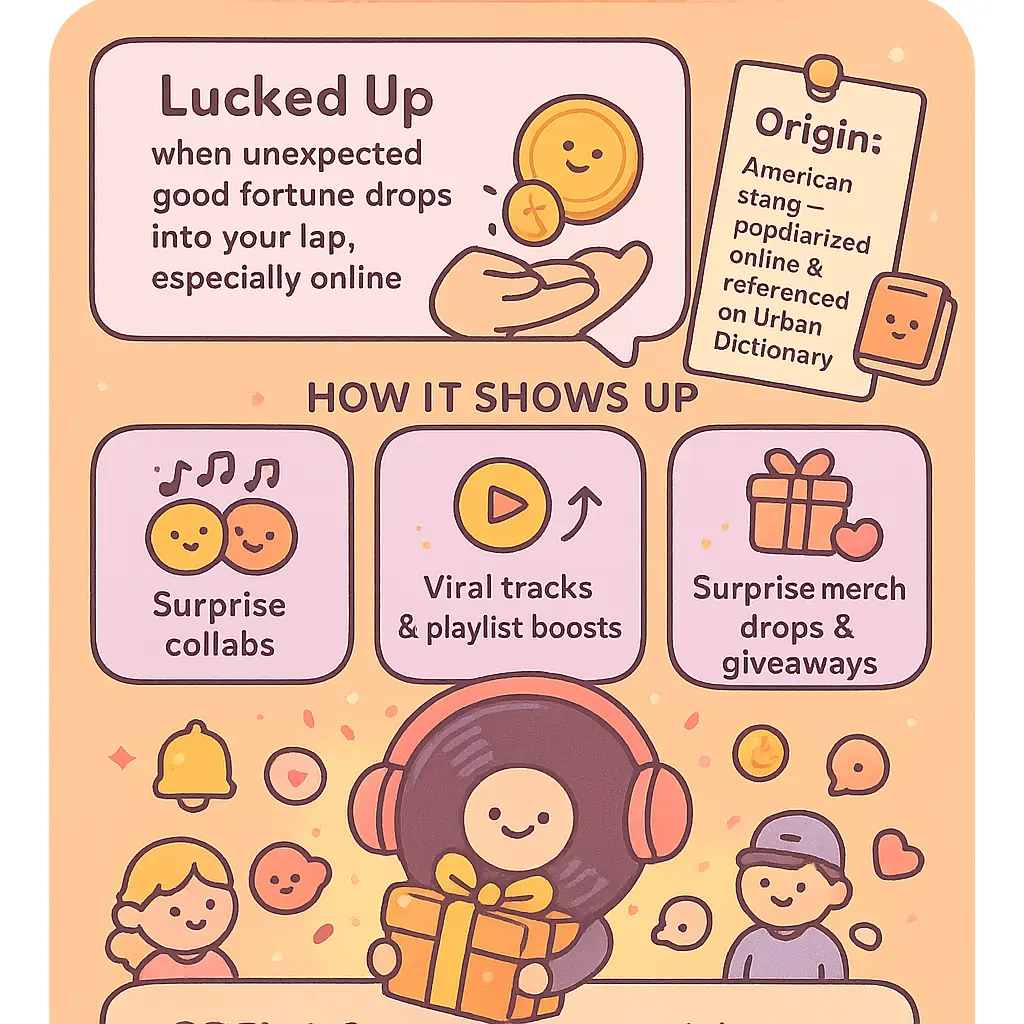
Navigating the thriving world of social media in 2026, people regularly use the phrase “Lucked Up” to capture those moments when unexpected good fortune seems to drop into someone’s lap—especially online. Originating in American slang and widely referenced on Urban Dictionary, lucked up now thrives across platforms like Instagram, TikTok, Twitter, and even professional networks like LinkedIn. You’ll see this expression used not just by the average user but also by brands and creative professionals aiming to connect with audiences through relatable narratives of dimwitted luck or “messing up but succeeding.” In fact, when an artist from Reach Records lands a surprise music collaboration with Columbia Records or Sony Music Entertainment thanks to a serendipitous DM, fans and followers rush to comment, “You really lucked up!” It perfectly encapsulates those viral moments when sheer chance pushes someone toward professional success or even romantic success.
Consider the impact of “lucked up” in the context of modern musical promotions. As Spotify and other digital music platforms now enable easier playlist creation and song discovery, artists like those featured on the soundtrack for the Nigerian film “Lucked Up”—with actors Efe Irele, Rachael Oniga, and Alexx Ekubo—frequently share stories on social media about how a random repost or a trending playlist led to thousands of new fans overnight. This musical comedy film, directed by Charles Uwagbai and backed by Rok Studios and Creative Unit Studios, found its core audience largely because influential personalities and playlist curators “lucked up” upon the movie or its tracks while browsing Spotify or checking the latest on IMDb. By leveraging social feeds, and tagging relevant trending topics such as Road Tax issues in Nigeria or the iconic Ring Road scenes, these professionals use a combination of storytelling and virality to highlight how feeling lucky can lead to career-making moments.
The term also resonates for influencers and fans who are all about celebrating “lucked up” moments as milestones—think viral music videos, spontaneous brand shoutouts, or even moments when a comedic tweet about a daily mishap unexpectedly garners sponsorship opportunities from brands under Sony Music Entertainment or Columbia. In the Nigerian entertainment industry, actors like Chioma Nwosu and Alexx Ekubo have frequently shared behind-the-scenes stories of how last-minute auditions or accidental meets—sometimes while filming in bustling places like Ring Road—led to unexpected castings. These tales of dimwitted luck and professional success consistently rack up likes and shares, motivating even aspiring filmmakers or music artists from bustling cities in Nigeria to keep an eye out for their own “lucked up” moments.
A strategic tip for brands and creative professionals looking to harness this buzzword for greater engagement is to blend original content with moments that authentically represent unforeseen achievements. Whether you’re part of a film unit at Creative Unit Studios or a music artist hoping for that next big break with Reach Records, sharing stories about “lucked up” situations can instantly boost relatability and audience engagement. Social algorithms in 2026 increasingly prioritize authentic, story-driven content—especially posts that humanize the creators behind popular tracks or that reveal the real-life circumstances surrounding unexpected surges in fame or fortune.
Lucked Up also plays well with hashtags and short video content. Creating reels that pair catchy music, like songs from recent Creative Unit Studios albums or music features from Spotify, with story captions describing how you “lucked up” on a chance meeting or gig, frequently triggers organic sharing. For instance, a video breakdown of how a small-time singer hit the viral jackpot after being featured in a playlist alongside Reach Records artists can both entertain and empower followers. Fans engage by replying with their own stories of “feeling lucky” or by tagging friends who’ve experienced similar moments, building genuine community around the phrase.
For content strategists and SEO specialists, weaving “lucked up” into your content calendar pays dividends. By connecting the phrase to trending topics—like recent music collaborations, featured artist spotlights, or even quirky discussions about movie cast reunions or Nigerian film release dates—you can tap into search demand and gain sustained visibility. This approach applies just as much if you’re dissecting song lyrics with fans on TikTok or recounting amusing, romantic comedy moments from the latest Efe Irele project on Tumblr. The charm of “lucked up” lies in its open-ended positivity: it allows you to frame unexpected good fortune—whether it’s a professional leap, a financial success story, or a romantic twist—as attainable, often thanks to the unpredictable magic of social media.
So, whether you’re an emerging director looking for your moment in the spotlight, a musician hoping for a surprise Spotify boost, or just an everyday user hoping your next post captures the magic of Messing Up but Succeeding, embracing the “lucked up” mindset on social media gives your story traction in a way few trends can in 2026. Vibrant narratives, timely references to music, movies, and universal experiences of sudden fortune—like landing a road tax refund unexpectedly—make this slang ever-present, relatable, and endlessly shareable in today’s online conversations.
Professional illustration about Columbia
Slang Evolution in 2026
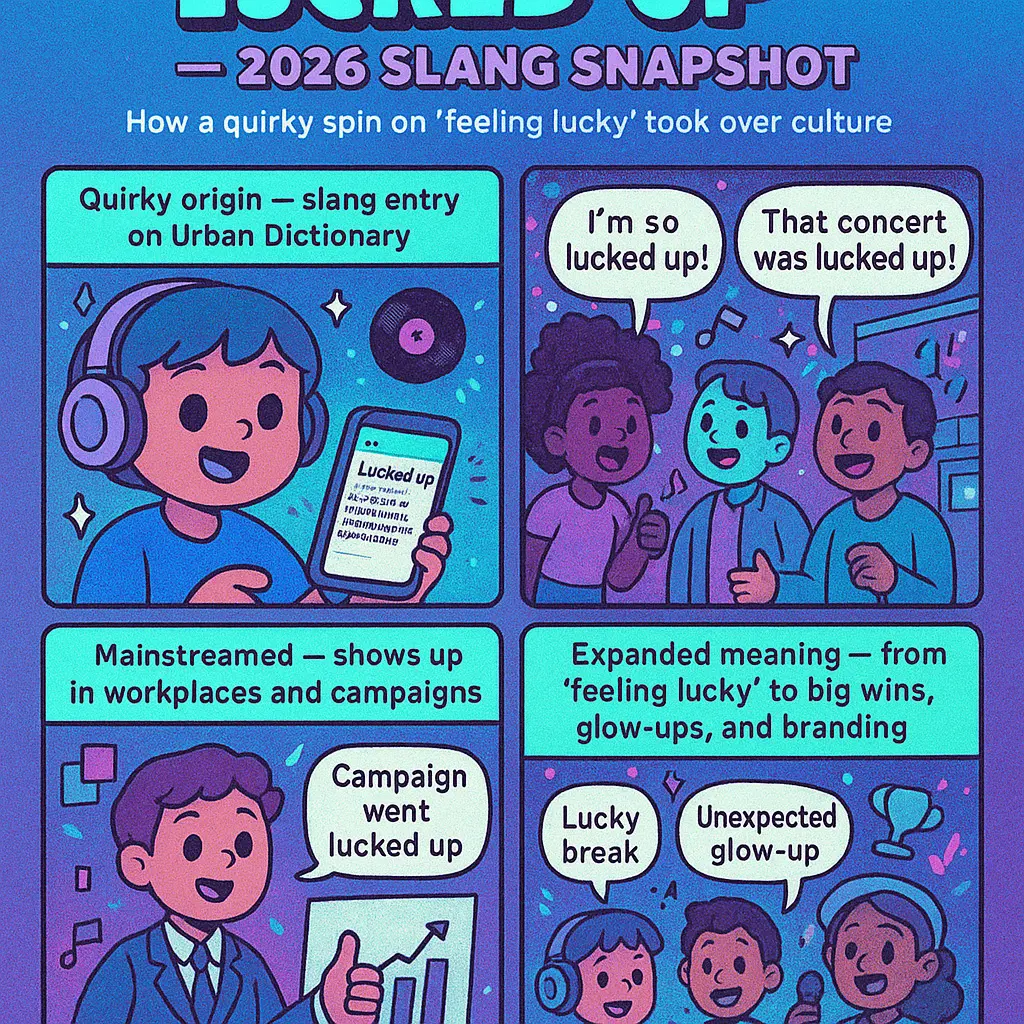
The slang landscape in 2026 showcases a fascinating transformation, with terms like Lucked Up cementing their place not just on Urban Dictionary, but also across cultural, professional, and entertainment spheres. What started as a quirky spin on "feeling lucky" has now expanded to encompass everything from unexpected good fortune to the distinct brand of "dimwitted luck" celebrated in Nigerian comedic films. For instance, Lucked Up is now frequently referenced in pop culture, especially in movies and music emerging from Nigeria, reflecting how the phrase has grown beyond its American slang roots. Take the romantic comedy scene: Rok Studios and Creative Unit Studios have produced several 2026 hit films starring Efe Irele, Rachael Oniga, Chioma Nwosu, and Alexx Ekubo where characters "lucked up" in romantic situations, merging concepts of accidental professional success and unanticipated romantic triumphs.
The phrase's integration into film dialogues, song lyrics, and IMDb summaries demonstrates how Lucked Up is used to portray plots revolving around "messing up but succeeding," a trope that resonates in today's digital culture. You see this especially in the 2026 release of Nigerian films whose cast lists—often featuring Charles Uwagbai as director—bring together star power with relatable storylines, showing that luck (and even dumb luck) can lead to game-changing results both on screen and off. These films leverage the charm of lucked up moments, whether it’s dodging the chaos of Ring Road or stumbling into fortune while handling mundane tasks like road tax payments.
In the music world, the evolution is equally striking. Big labels like Columbia Records, Sony Music Entertainment, and Reach Records have started collaborating with emerging Nigerian and American talent to create tracks that embody the essence of “lucked up”—songs about achieving unexpected success, romantic encounters, or financial breakthroughs in the face of adversity. Featured artists weave the term into catchy hooks, with playlist creation on platforms like Spotify making “Lucked Up” an anthem for those navigating 2026’s competitive cultural landscape. Album releases in this year reveal not just a linguistic shift but a deeper societal fascination with the idea that sometimes, the stars align when least expected.
As a brand manager or content strategist, tapping into this slang’s authenticity is crucial. One best practice is examining social media trends and evaluating how featured tracks or movie scripts utilize "lucked up" in relevant story arcs. Integrating this kind of language in your marketing, whether through song lyrics, film synopses, or digital campaigns, can spark more engagement with target audiences who crave relatable stories of unexpected good fortune. In professional circles, businesses use lucked up to describe lateral moves, promotions, or breakthrough deals—showing how what was once youthful slang has gained respectability as a descriptor for financial success and strategic wins.
The continuous updating of slang definitions on platforms like Urban Dictionary in 2026 serves as both a creative resource and a reflection of the rapid cultural changes we’re witnessing. Social listening tools can help track how lucked up morphs across regions and industries, ensuring your content keeps pace with evolving usage. From American film releases featuring Alexx Ekubo and Chioma Nwosu, to global music collaborations amplified by Spotify playlists, the influence of “lucked up” is unmistakable. When crafting digital content, campaigns, or scripts, marketers and creators should focus on authentic storytelling that utilizes lucked up moments as crucial turning points—drawing connections between narrative mishaps and triumphant outcomes.
Ultimately, the slang scene of 2026 highlights the power of adaptability: “lucked up” no longer just means stumbling into luck, but leveraging those moments for lasting influence, whether in a trending Nigerian film, a corporate boardroom, or a top-charting American playlist. By following the latest updates, analyzing popular tracks, and reviewing movie cast interviews, professionals and creatives alike can ensure they leverage the energy of lucked up for maximum cultural impact.
Professional illustration about Entertainment
Examples of 'Lucked Up'
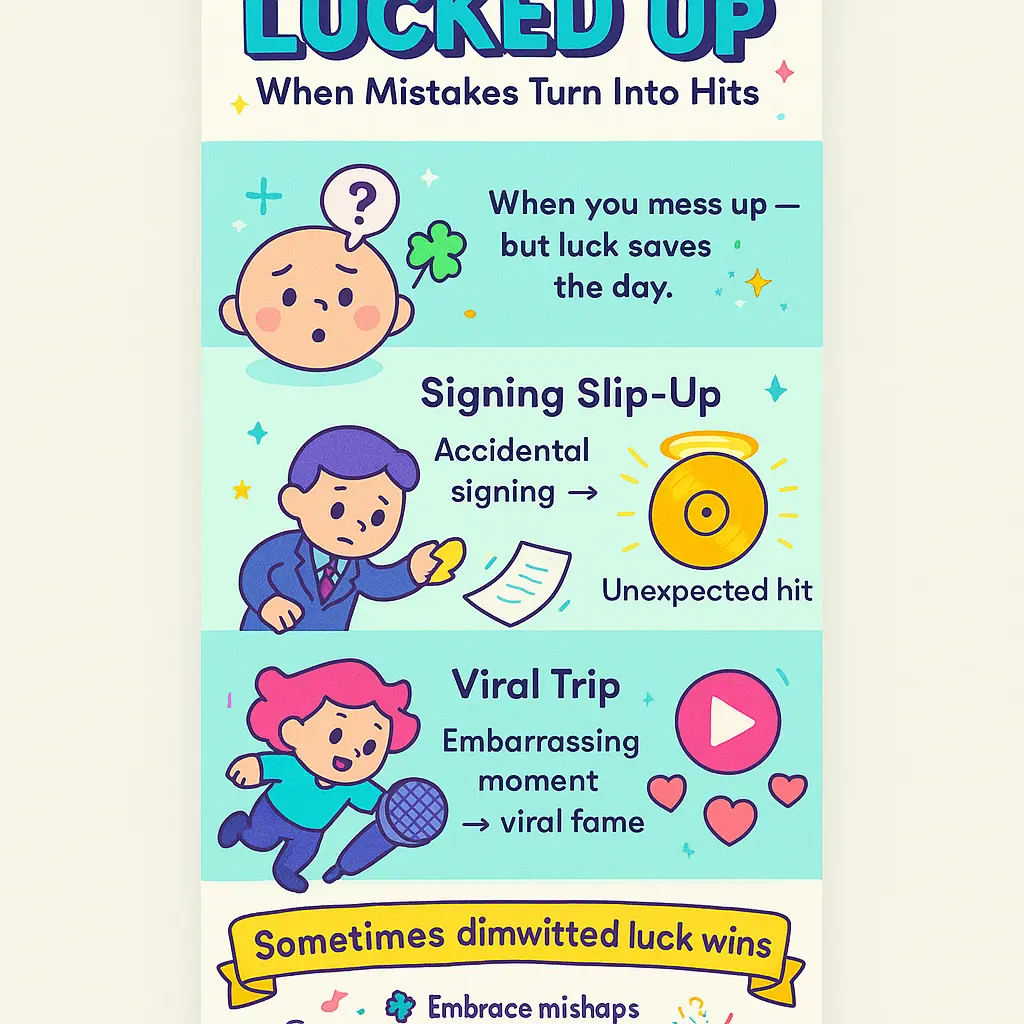
When we explore real-life and pop culture examples of “Lucked Up,” the phrase’s meaning becomes even more vivid—way more than its simple listing on Urban Dictionary. Imagine a scenario where you completely mess up, yet somehow, things still work in your favor. This kind of dimwitted luck gets its spotlight not only in American slang, but also in movies, music, and everyday stories globally. For example, in Nigeria’s creative scene, “Lucked Up” moments are regularly celebrated on screen. Take the Nigerian romantic comedy Lucked Up, released in 2026 by Rok Studios and Creative Unit Studios, and featuring Efe Irele, Rachael Oniga, Chioma Nwosu, plus Alexx Ekubo. In this film, directed by Charles Uwagbai, one character accidentally ruins an important meeting—only to be offered a better job afterward. The protagonist’s unexpected good fortune is a classic case of “Lucked Up,” and audiences in Nigeria and beyond can relate, especially through the vibrant cast and witty screenplay highlighted by major networks this year.
Music offers another dimension where Lucked Up unfolds, especially with surprise collaborations or accidental chart-toppers. Just picture how Reach Records, Columbia Records, or Sony Music Entertainment in recent years have dropped tracks that finally hit millions of Spotify streams—sometimes thanks to an unplanned, viral moment. You might see song lyrics inspired by messing up, yet feeling lucky in the end, resonating with listeners craving those relatable “that could’ve been me” moments. These numbers get powered by playlist creation and featured artist linkups, bringing professional success through a stroke of luck, not just hard work.
On a professional level, people often describe their careers as having “lucked up.” For instance: - Landing a Big Promotion: Someone might miss an interview but receive an accidental email invitation to meet the CEO, unexpectedly securing the job. - Starting a Business With Road Tax Refunds: A Nigerian entrepreneur in the IT sector receives a surprise road tax refund that funds a remote creative unit, ultimately attracting investors and gaining recognition, just by chance. - Ring Road Startup Story: A movie producer in Benin City crashes a networking event by mistake—a scenario eerily similar to plot twists in Nigerian films set on Ring Road—yet walks out with a signed deal with IMDb-listed actors, like Efe Irele or Rachael Oniga.
Romantic success stories also exemplify “lucked up” vibes. Think about someone bumping into the love of their life during a messed-up blind date or a comedic mix-up where two characters—like those in Nigerian romantic comedies—end up together through hilarious, chaotic events. This accidental luck becomes the foundation for popular tracks in a musical comedy film soundtrack, blending genres and enhancing both movie cast appeal and playlist popularity.
If you analyze popular American slang, “lucked up” is different from simply “being lucky.” It’s the spirit of feeling lucky after a slip-up, benefiting not in spite of the error, but precisely because of it. Take Chris, a young artist, straining for attention before the Sony Music Entertainment team accidentally stumbles upon his raw demo. This “lucked up” accident lands him a spot as a featured artist on top streaming playlists in 2026, showing how digital music platforms can launch careers due to pure, unpredictable happenstance.
For financial success, the “lucked up” story is best told through tales of unexpected windfalls: an investor forgets to withdraw funds before a market surge, resulting in a surprising boost to their fortune. Such stories circulate in communities—from local start-ups in Nigeria to corporate boardrooms in the U.S.—reminding us that sometimes, it pays to mess up.
In popular slang definitions as seen on Urban Dictionary and social media, “lucked up” has evolved in 2026 to describe everything from hilarious missteps in movie scripts (think Charles Uwagbai’s latest rom-com) to career-changing moments in both creative and corporate sectors. If you’re building your own playlist or casting for an IMDb-cataloged film, keeping an eye out for those spontaneous, lucked up opportunities can transform your personal or professional journey overnight.
So whether it’s a musician gaining accidental fame on Spotify, a director like Charles Uwagbai casting the perfect actors thanks to an unexpected mix-up, or an everyday person stumbling into love, “lucked up” today remains a versatile concept for analyzing success that comes out of the blue—the ultimate evidence that good fortune truly does favor the dimwitted, the risk-taker, and the delightfully clumsy.
Professional illustration about Spotify
Misconceptions Explained
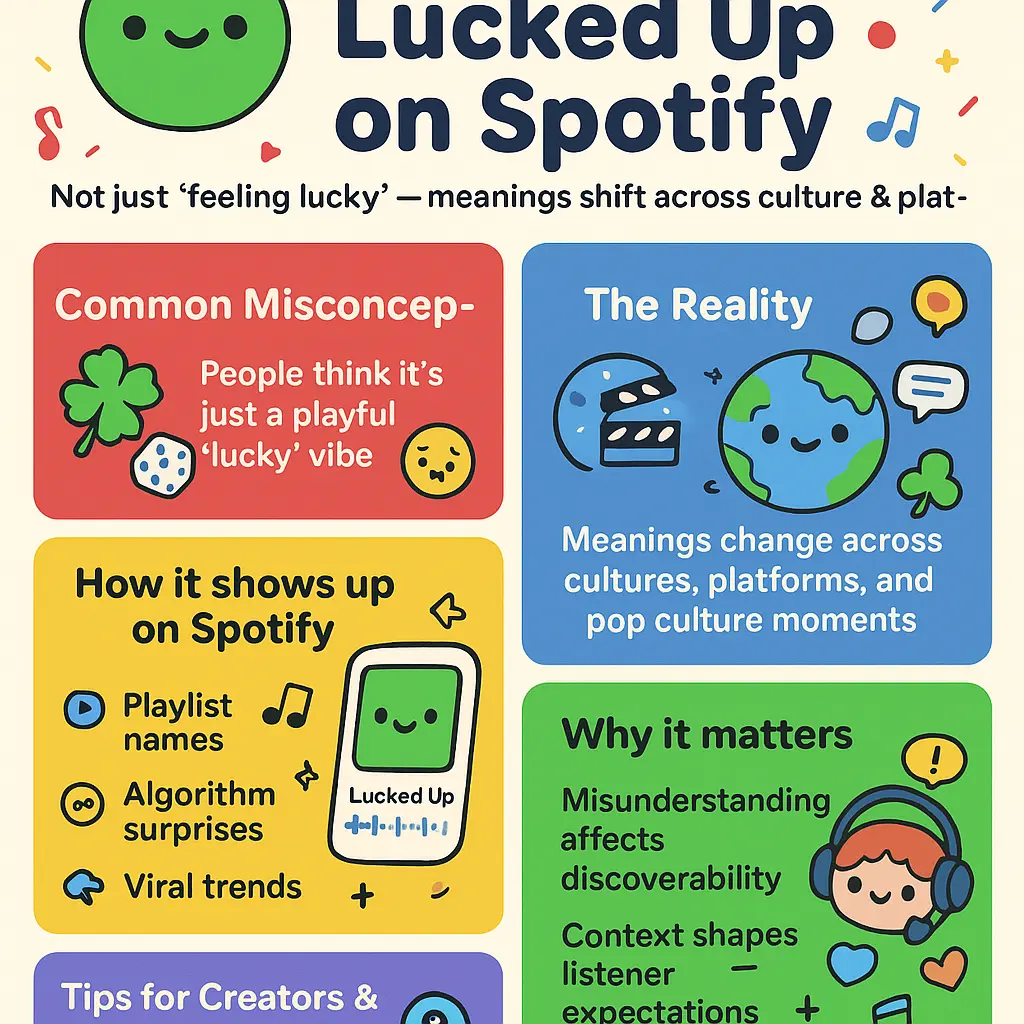
When we talk about the term “Lucked Up,” there are numerous misconceptions swirling around—especially given its constantly shifting meanings across cultures, platforms, and even major pop culture moments. First and foremost, many think “Lucked Up” is just a playful take on feeling lucky, but the reality is more nuanced, particularly if you check out references like Urban Dictionary. In American slang, “Lucked Up” originally referred to having unexpected good fortune, especially after messing up or acting dimwitted. However, due to frequent mishearing (let’s face it, "Lucked Up" sounds dangerously close to another popular but less polite phrase), its usage has expanded, causing confusion around its meaning and where it actually fits into everyday language.
A common misunderstanding crops up in the professional world. It's tempting to think anyone who has “lucked up” in business merely stumbled into success. Recent interviews with business leaders, some of whom have worked with Columbia Records and Sony Music Entertainment, reveal that what looks like dimwitted luck is often the result of strategic risk-taking and seizing opportunities quickly—almost like a musical collaboration that hits the right note at the perfect moment. Spotify curators and playlist creators frequently talk about how a “lucked up” viral hit isn’t always random. Instead, these “romantic comedies of fate” tend to be clever blends of talent, algorithmic timing, and a splash of genuine luck. Understanding the interplay between preparation and chance is key; these creative units know luck is seldom truly blind.
Much of the misconception around “Lucked Up” comes from its recent use as a movie title—especially Nigeria’s hit musical romantic comedy, “Lucked Up,” released by Rok Studios in 2026 and now streaming on IMDb and Spotify’s podcast discussions. When fans and critics first heard the film’s title, many guessed its theme would center on random fortune or slapstick mistakes. Yet interviews with cast members like Efe Irele, Rachael Oniga, Chioma Nwosu, and Alexx Ekubo have revealed the deeper layers behind their characters—where professional success, financial breakthrough, and romantic fulfillment aren’t merely the fruits of “feeling lucky” but also the outcome of resilience under the guidance of directors like Charles Uwagbai. Both the cast and team at Creative Unit Studios have emphasized how the story was crafted to illustrate that “lucking up” is a blend of moments where hard work meets opportunity, rather than pure chance.
There’s also a misconception regarding “Lucked Up” and its relevance to financial contexts, especially in West Africa. When people hear about someone in Nigeria “having lucked up,” traditional interpretations come into play—suggesting windfalls or fateful lottery wins. However, social researchers working with Sony Music Entertainment and Nigerian streaming startups highlight the rise of digital music platforms like Spotify turning “lucked up” musicians into overnight sensations, even as they spend years perfecting their craft. The reach and recognition facilitated by platforms, not just luck, underscore the modern dynamics of financial success. Moreover, issues like Ring Road access and Road Tax privilege—sometimes mentioned when referencing Nigerian urban lingo in films—reinforce how “lucked up” stories are molded by a blend of privilege, timing, and determined hustle.
Another noteworthy aspect is romance. Modern romantic comedy fans, listening to tracks from Reach Records or observing last year’s on-screen chemistry in “Lucked Up,” often assume accidental romance is the central theme. But by 2026, film writers clarify: connections on-screen between the likes of Efe Irele and Alexx Ekubo reflect not just chance encounters, but intention sprinkled with “feeling lucky” moments—much as song lyrics tell stories of hope amidst unexpected heartbreaks and serendipity. This aligns with studies on popular tracks, showing listeners relate most to music expressing life’s surprises—where “messing up but succeeding” becomes part of dating narratives in everything from Nigerian movies to American Gen Z playlists.
Finally, let’s clear up linguistic ambiguity. Some Americans confuse “Lucked Up” with outdated expressions or miss its use as fresh American slang proliferating through digital conversations, music streaming interviews, and media reviews. Particularly on platforms like Urban Dictionary, updates are steadily aligned to distinguish “Lucked Up” from mistaken identity terms—carrying subtle differences in attitude between “lucked out” and “lucked up.” By appreciating its context—from modern day film releases to its starring role in slang definitions as of 2026—we can harness its positive undertones rather than miss out on the way it reflects professional, romantic, and musical perseverance.
In summary, don’t buy into the misconception that “Lucked Up” is just random or clueless luck. Whether you’re talking about the creative leaps made by Nigerian filmmakers, the professional payoff for adaptive risk-takers at Sony Music Entertainment, or playlist creators at Reach Records hunting for the next hit, “Lucked Up” in 2026 represents a fascinating mix of preparation meeting opportunity, and not merely undeserved windfall. As with road tax privileges, music collaborations, and modern digital platforms, luck isn’t just something you stumble upon—it might just be something you build and notice, once you know where to look.
Professional illustration about Professional
How to Use 'Lucked Up'
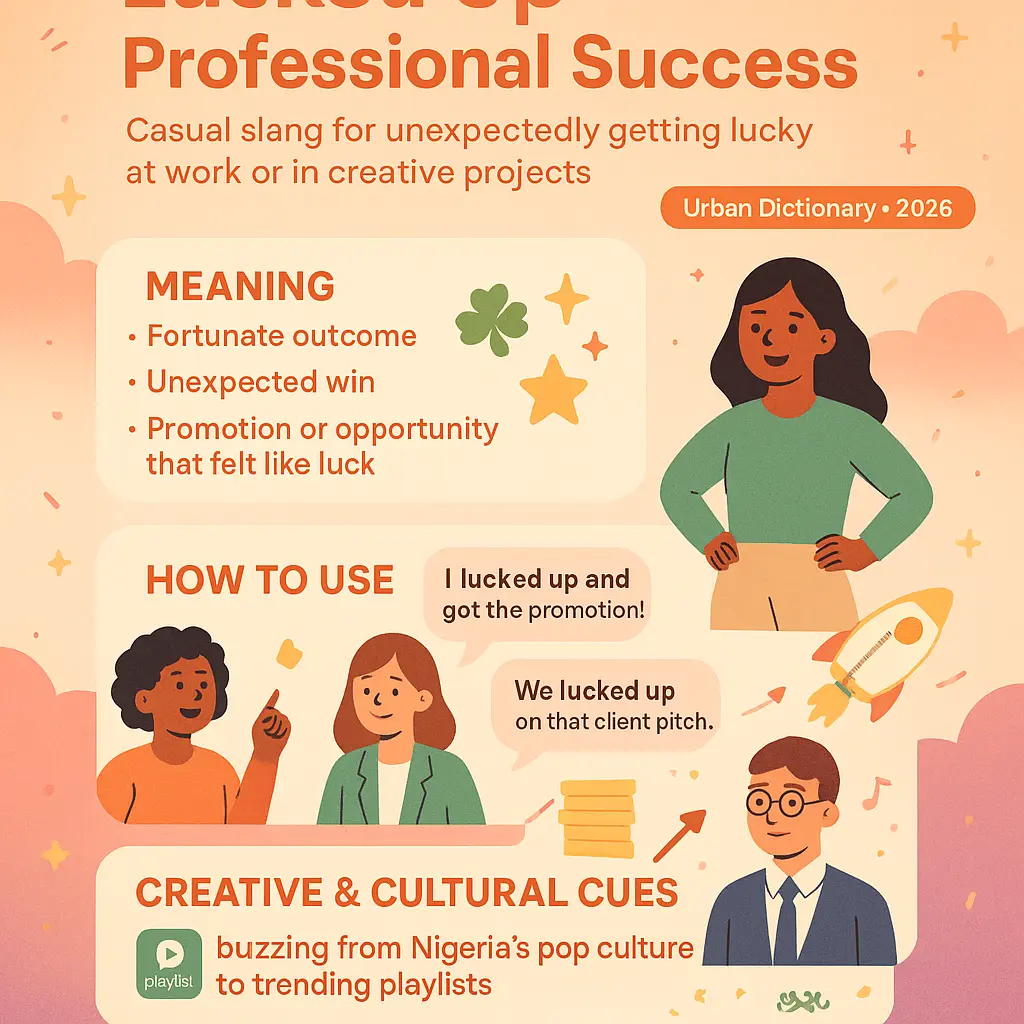
If you're wondering how to use "lucked up" in American English conversations or creative projects, you're in great company—it’s a phrase buzzing from Nigeria's pop culture to trending playlists on Spotify. The essential flavor of "lucked up," especially according to Urban Dictionary in 2026, means to stumble into an unexpected good fortune, typically without any calculated plan or razor-sharp attitude. It might sound similar to "feeling lucky," but the attitude is more dimwitted, suggesting success arrived despite—rather than because of—your choices. For example, if a music artist at Columbia Records lands a viral hit completely by accident while just “messing around in the studio,” fans and critics might say he “lucked up” big time; especially if that song soon appears on the popular tracks playlist curated for professional success.
Here’s how to slide "lucked up" into daily English, popular culture references, and narrative storytelling for SEO impact, whether you’re scripting dialogue for a romantic comedy, writing compelling song lyrics, or even reviewing the latest musical comedy film on IMDb. Create dialogue such as, "Honestly, when Efe Irele got cast in Ring Road, she totally lucked up—most actors train for years before landing a blockbuster with Creative Unit Studios." Alternatively, in business circles, someone might explain their rapid career ascent at Sony Music Entertainment as: “I lucked up when my demo accidentally landed on the desk of a top producer. Next thing I know, I’m collaborating with Reach Records!” The phrase packs a punch in various scenarios, from reviewing financial success stories to playful romantic moments where someone wins more affection than they intended.
When referencing Nigerian films—such as the romantic comedy produced by Rok Studios featuring Rachael Oniga or Chioma Nwosu—critics and fans reviewing significant plot twists might say a character lucked up into wealth or love after paying the road tax at exactly the right moment. This contrasts sharp planning with dimwitted fortune, amplifying the local slang appeal. Charles Uwagbai, as a film director, might instruct actors to channel the feeling of "messing up but succeeding," underpinning the genuine success behind accidental moves; something which speaks to the value-rich meaning within contemporary American slang.
In the world of digital music platforms, playlist creation is another practical arena where "lucked up" thrives. A featured artist might mention during a song commentary on Spotify that they "lucked up and got added to Columbia Records' popular tracks after Alexx Ekubo posted my link,” or “I was just experimenting with sounds—and lucked up when Sony Music noticed and arranged for a collaboration with established stars at Reach Records.” This sense of accidental discovery surges in creative circles but has been smartly adopted across finance and romance, showing how the phrase stretches beyond musical comedy tropes. When crafting blog articles, reviews, or detailed how-tos with SEO depth, consider using real-world happenings or fictional hooks where characters, musicians, or everyday individuals lucked up in life—be it financial success after a miscalculation in road tax payments or finally getting professional recognition via a messy email chain.
From a practical standpoint, if you want your audience to catch the layered nuances behind “lucked up,” offer instructive sidenotes or in-text definitions. For instance: Lucked up isn’t about strategic moves or brute skill; it’s all about succeeding despite the odds, often thanks to luck rather than hustle. You can jazz this up by injecting actual song lyrics or movie lines: “Messed up, lucked up, made it to the top,” lending not just authenticity but relatable context for 2026 readers searching for American slang definitions or Nigerian film spices. Henry, who’s playlisted at Spotify yet tripped his way there following a song re-release, exemplifies "lucked up" in digital entertainment—poised as easily for conversational blogging as for tightly edited screenwriting.
When painting richer SEO narratives for “lucked up,” mix up tangible cast examples, from Chioma Nwosu finding love in a film set on the chaotic streets where paying road tax accidentally connects her to financial success, to business lessons where an executive “lucked up during a messy merger with Sony Music Entertainment.” This helps anchor the phrase in diverse real-life scenarios—trading academic definitions for vivid usages.
Finally, highlight practice by producing varied American English sentences, such as:
- “After several blunders on stage, the comedian lucked up and got a record deal from Rok Studios.”
- “Rachael Oniga’s character always seems to luck up amid the movie’s chaos, much to audiences’ delight.”
- “Entrepreneurs hope to luck up in tech, as Columbia Records artists often do with a hit song.”
By expanding these guiding lines and cultural examples, springboard “lucked up” into modern, trendy, and unforgettable usage—educating your audience, deepening engagement, and folding current keyword trends naturally into memorable content.
Professional illustration about Financial
Regional Variations
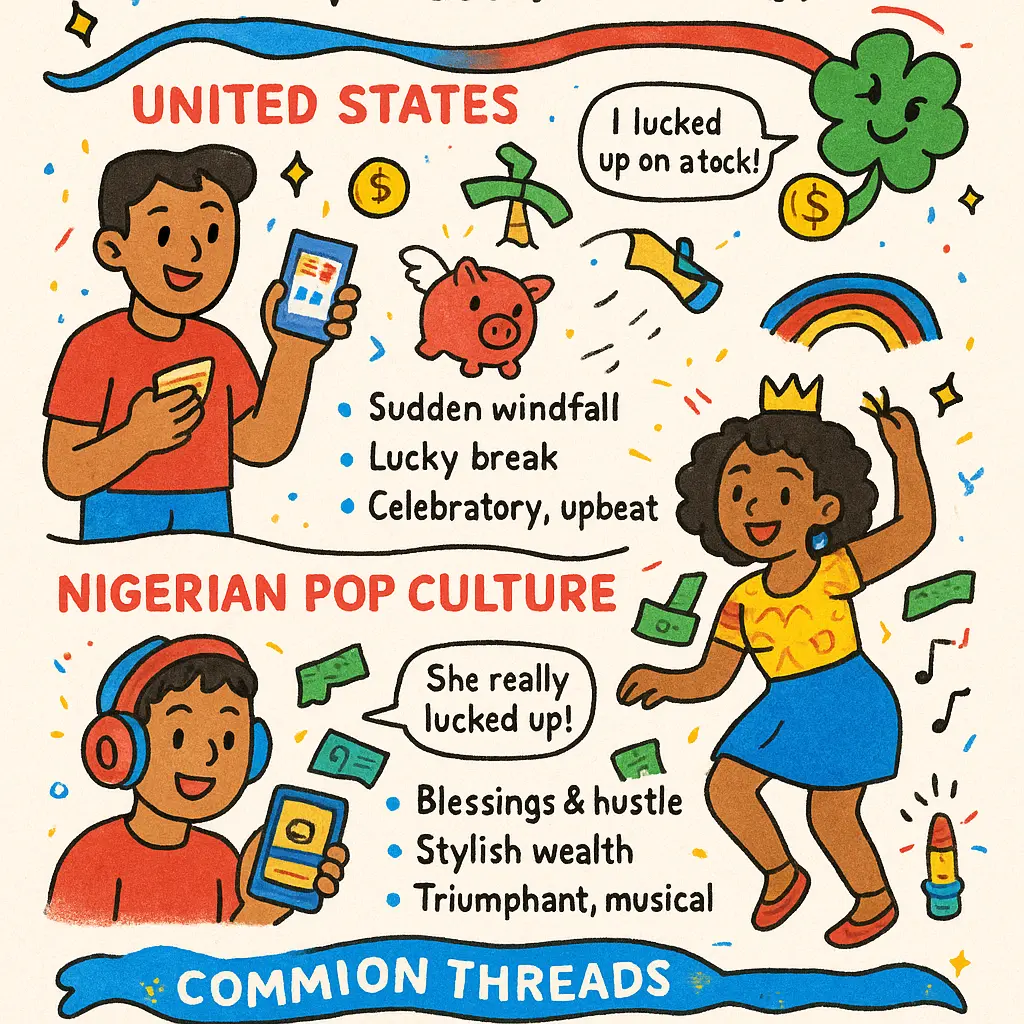
When examining the phrase “Lucked Up” across different regions, it's striking how local culture, media, and even slang-generating hubs like Urban Dictionary or Nigerian pop culture lend distinct hues to the term’s meaning and its use in everyday conversation. In the United States, “lucked up” in American slang circles often refers to instances of unexpected good fortune—accidentally stumbling into success or "messing up but succeeding" despite apparent follies. People might say someone lucked up if they scored a dream job after wildly unimpressive interviews, underscoring the perceived separation between effort and reward.
In the professional world, particularly within major business hubs on both coasts, “lucked up” can have a double edge. Financial success stories and case studies highlighted by American media sometimes celebrate this form of serendipity, but the phrase may also—sometimes skeptically—suggest that factors like privilege, timing, or connections played a bigger role than skill. Professional success fed by dimwitted luck emerges in viral content, memes, and in analyses by platforms like IMDb, where a star lands the perfect role by “lucking up”—think stories about undiscovered actors who impress casting directors by chance.
Switching gears to Africa, the term’s media resonance—and especially within the Nigerian context—is profoundly different and expands thanks to hits like the 2026 Nigerian romantic comedy film Lucked Up. Starring beloved icons like Efe Irele, Alexx Ekubo, and Rachael Oniga, and directed by Charles Uwagbai, this movie popularized “lucked up” among Nigerian youth to symbolize literal and figurative wins in love, family, and adverse scenarios. In towns from Lagos to Abuja, fans discuss the quirky logic of the on-screen characters, highlighting how “feeling lucky” often happens when life and love collide in comedic chaos. In this narrative, even mishaps—like a botched proposal or finding oneself with an unexpected road tax—spiral into breakthrough moments that define a new kind of financial, romantic, or creative luck.
This Najia twist is not unintentional; Creative Unit Studios, Rok Studios, and backers familiar with Nigerian culture customized the term into local dialogue, song lyrics, and influencer campaigns. Over WhatsApp and Spotify group chats, it’s common to see both teens and adults joking: “I must have really lucked up this time!” When global music platforms like Reach Records, Columbia Records, or Sony Music Entertainment sign talent from Nigeria, fans interpret viral playlist surges as new musicians having "lucked up"—crediting breakthrough digital releases as gifts from fate rather than strict market strategy.
But the story doesn't end there; interestingly, within music circles in Atlanta, LA, or New York, “lucked up” also celebrated a new breed of creative partnerships and chance collaborations. When featured artist credits roll out on Spotify, or a surprise track hits a curated playlist and climbs through streaming stats, artists testify to that special category of luck. There, “lucked up” moves past professional luck and into musical territory demanding further collaboration—or attributing wild career progress to being ‘in the right studio at the right time.’ Sometimes, the phrase morphs into discussions around playlist creation and viral hits among digital producers from Nigeria to Detroit.
Furthermore, landmark locations such as Ring Road become embedded in these variations, adding layers to the term’s local associations—just as “lucked up” in dialogue might refer to bypassing trouble with authorities after forgetting road tax in metro areas, morphing urban legends and creative life hacks into talking points on TikTok or film scripts.
To sum up the impact, “lucked up” zigzags through global linguistic maps as a vessel for sudden luck, unexpected opportunity, and stumbled-upon triumphs. Media, music, and unique regional challenges grant it airflow—whether you’re an American browsing Urban Dictionary, a Lagos screenwriter riffing in Edo slang, or a songwriter in Atlanta echoing a viral beat with cross-country roots. For fans of the term, tracking how these localized usages reinterpret basic fortune reveals the malleable, ever-shifting DNA of modern American slang—amplified and colored by waves of regional and cultural context per platform, city, and even by industry trends that right now, in 2026, are more diverse and localized than ever.
Professional illustration about Romantic
Impact on Communication
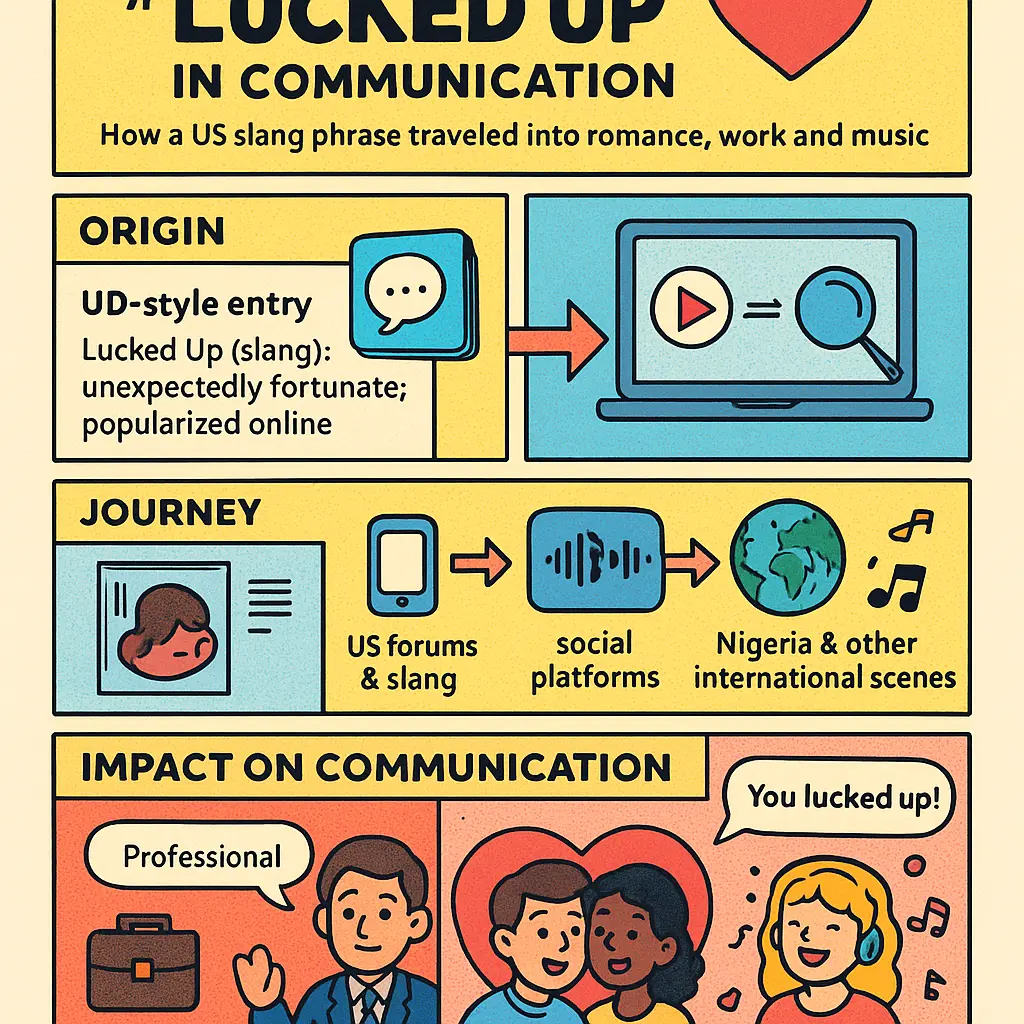
When we dive into how “Lucked Up” impacts communication—especially in professional and creative contexts—it's fascinating to track this American slang term’s roots in platforms like Urban Dictionary and see its journey into international spaces such as Nigeria or global music streaming platforms like Spotify. As “Lucked Up” came to represent not just unexpected good fortune but messy, almost dimwitted success that still gets results, its usage in daily interactions reshaped how people discuss and even perceive achievement. Take the example of recent musical collaborations released through Reach Records and coordinated with giants like Columbia Records, Sony Music Entertainment, and distributed worldwide on Spotify playlists: when artists describe their rise to stardom in interviews as having “lucked up,” they underline how unpredictability and feeling lucky have collaborated behind the scenes, resonating deeply with listeners navigating their own professional trajectories.
In Nigeria’s film arena, especially back in 2026 with the thriving popularity of urban comedies from Rok Studios and collaborative rolls managed by directors like Charles Uwagbai and stars including Efe Irele, Rachael Oniga, Chioma Nwosu, and Alexx Ekubo, “lucked up” becomes a verbal badge of cultural ambition. Moviemakers, when describing breakthrough moments—think winning production contracts on Creative Unit Studios projects or gaining exposure via IMDb listings—spin phrases such as, “We totally lucked up scoring that plot shot on Ring Road, despite the road tax delays.” By using “lucked up,” creative professionals not only admit to unexpected success; they convey relatability, humility, and the sometimes chaotic journey required for career advancement.
In digital music space, the terminology's popularity on song lyrics and radio playlists around Africa and the U.S. has translated into elevated everyday conversation among both artists and fans networking online. When async collaborations sweep into professional success, as recent releases sticking out among featured artist catalogues on Spotify, professionals might DM or text, “Don’t know how I lucked up being on this track, but I’m riding it.” This shows a shift: accomplishment is now discussed as equal parts skill, preparation, and fate. For singles navigating romantic success—a theme mirrored in Nigerian romantic comedies starring luminaries from the current movie cast—describing a blossoming relationship as “we lucked up” makes the emotional process appear approachable, dissolving the need for polished narratives and making authentic mess ups a part of daily storytelling.
Even in financial circles or business developments set in Nigeria and the increasing diaspora communities in America, referencing “getting lucked up”: say, nabbing a better deal on musician contracts with Sony Music Entertainment or snapping up promising intellectual property rights in junctions like Ayekoro in Road Tax deals—reveals how unexpected opportunity can morph into a theme for negotiation or feedback sessions. Communicators who use the phrase create immediacy and relieve pressure, making success stories more personable but still driving recognition of talent and unique contribution.
Practical suggestions for communicators leveraging “lucked up”:
- When negotiating deals in fast-paced media industries (film, music, or digital distribution), acknowledging fortuitous outcomes will signal adaptability and readiness to embrace unforeseen bonuses. Say, “Our campaign kinda lucked up with massive organic placements on major streaming platforms.”
- In collaborative group settings, using “lucked up” as conversational ice-breaker might open the floor for others to share non-linear paths or serendipitous wins, improving team morale and workflow transparency.
- For aspiring influencers, creatives, or marketers documenting real-life journeys on social media feeds or vlogs, casual references like, “Honestly, lucked up finishing this grind amidst crazy deadline drama,” encourage genuine connection with their audience by focusing on unpredictability over pure strategy.
Essentially, “lucked up” not only grips pop-culture communication, but provides a shared and iterative medium for discussing wins and challenges in today’s complex milieu—across urban, cross-border moments, if you’re an executive marketer on Spotify trends, an actor shooting on location in Lagos, or a track producer fielding last-minute contracts with international labels. This shift towards celebrating “luck” in success also blunts the expectation for flawless plans—or endless hard luck stories—offering both personal branding and communal tools for relatable, inspiring exchange in 2026 and beyond.
Professional illustration about Irele
Related Expressions
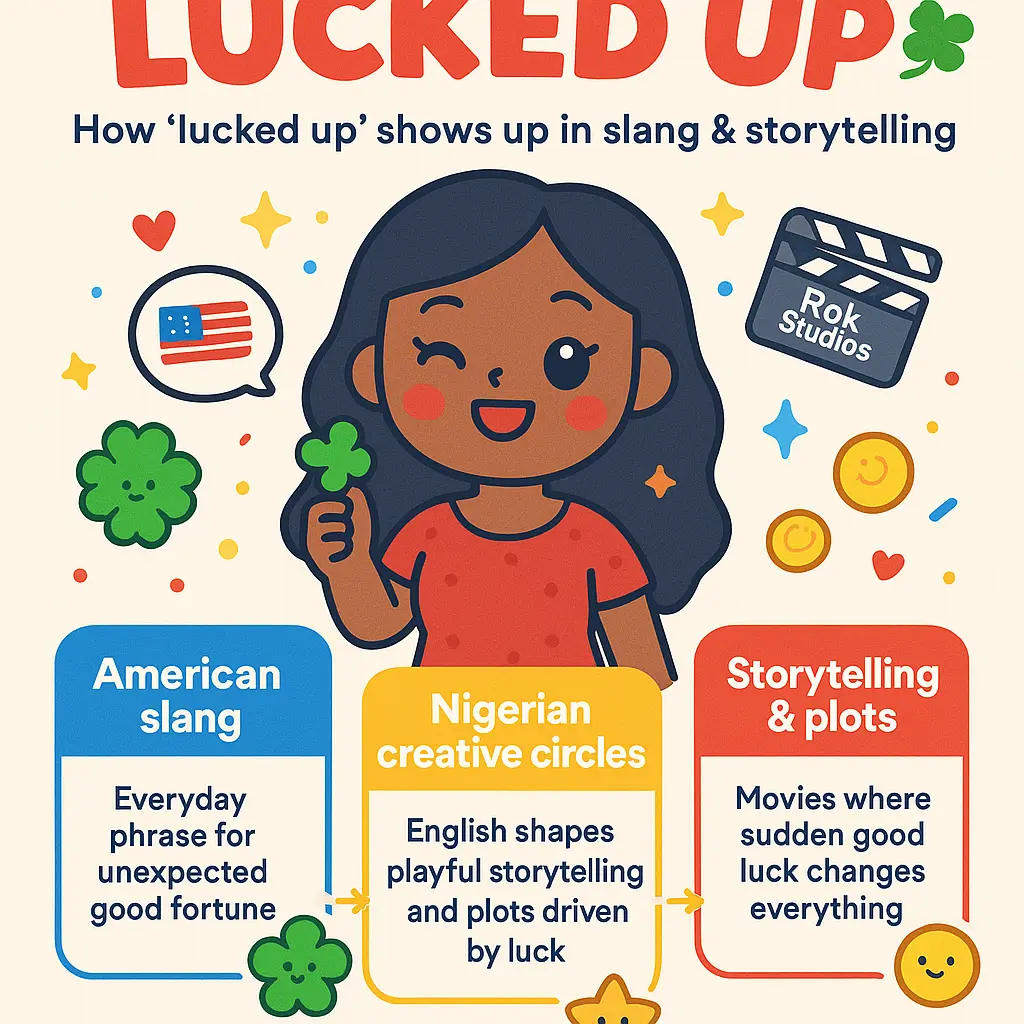
In daily conversation, the phrase “lucked up” gets thrown around a lot, especially in American slang and among creative circles in Nigeria—where English frequently flavors innovative storytelling, as seen with productions by Rok Studios and movie plots driven by unexpected good fortune. Importantly, “lucked up” isn't just tied to the strict definition found in Urban Dictionary. Instead, it lives within a rich family of expressions that all touch on the surprising upsides and “accidents of success” people bump into—whether on a film set, a music studio like Reach Records, Columbia Records, or playlists curated on Spotify.
Take “dimwitted luck” for example. This expression, popular in various online discussions and media reviews on platforms such as IMDb, captures that oddly relatable phenomenon where someone, seemingly lacking skill or preparation, somehow ends up with a win. Look at the way Efe Irele or Alexx Ekubo might play their characters—sometimes bumbling but winning out in the end—which illustrates perfectly how “lucking up” applies off the stage and in personal or professional aspirations. It’s this sort of comedy-meets-success formula that studiously appeals to those who follow creative output from Nigeria, where directors like Charles Uwagbai and studios like Creative Unit Studios often infuse “lucked up” scenarios in award-winning movies and even romantic comedies with nuanced casts like Chioma Nwosu or Rachael Oniga.
Other languages add their twist too, but American English brings particular vibrancy with related lingo such as: “Struck it lucky” – usually applied to someone who finds success out of nowhere, just like discovering your big break through an audition for a musical comedy film produced by giants like Sony Music Entertainment “Feeling lucky” – encapsulating that lighthearted attitude you might need to succeed, echoing the boldness artists from Nigeria exhibit when collaborating on cross-continental chart-toppers “Messing up but succeeding anyway” – drawing from real-world situations where people make mistakes, yet end up stumbling into success, sort of how professional milestones randomly arise for musicians getting featured as a surprise hit on Spotify editorial playlists This thread even reaches financial and romantic realms: Ever heard a song lyric blending tales of Road Tax deadlines almost mishandled, transforming unexpectedly into joke material in a romantic success story, or visualized by filmmakers in energetic urban scenes along Ring Road? These expressions underscore the improvisational aspect of luck—sidetracking error for success.
Because these phrases are commonly understood, you’ll catch brands and public figures referencing them as well. Tune into awards stage banters, behind-the-scenes documentary confessionals, or interviews on popular digital platforms—these moments shine light on just how universally appreciated “lucked up” is for describing headline-making moments that were more carrot-dangling possibility than planned professionalism. When Racheal Oniga or Chioma Nwosu drops lines about seemingly fortuitous co-star encounters, audiences can relate through their own work mishaps turning into legendary promotions or social connections.
The professional landscape has fully adopted variants of “lucked up” when discussing unexpected good fortune. Corporate newsletters downplay exceptional results as having ‘lucked up on an opportunity,’ statistically analyzing strategic fits as if mess-ups and accidental meetings, possibly during the casting call rush for a Nigerian romcom, were all carefully forecast bounces. Similarly, in the context of music streaming and contemporary album releases through Roc Studios-connected platforms, discussants reference numerous viral hits as “pure accidental luck” where amateur productions become global anthems. This underscores how important and cherished phrases related to “lucked up” are for both maintain a humble narrative and painting high-profile success as accessible and human thanks to fate’s mischievous yet rewarding interventions.
Notably, these related expressions remain as valuable as the phrase itself in pop culture, revealing that behind most celebrated breakthroughs—whether it's creative innovation, music collaborations, Spotify topping singles, or scripts directed by Charles Uwagbai—there’s often a streak of delightfully muddled beginnings. So, next time luck props up a project’s success, remember it joins a host of similar idioms that are brightening conversations about professional, financial, or even romantic success in 2026 and beyond.
Professional illustration about Rachael
Expert Opinions in 2026
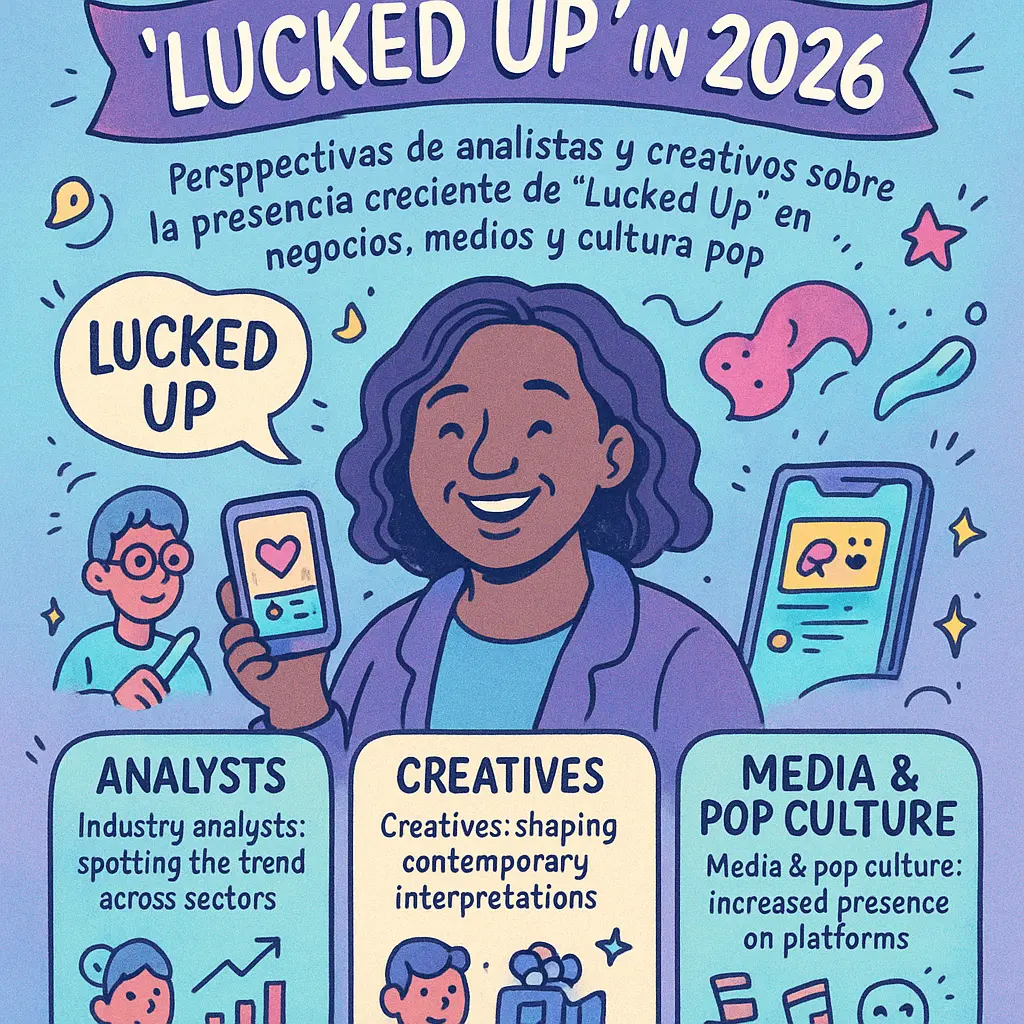
Esteemed industry analysts, as well as various creative professionals who have shaped contemporary interpretations of "Lucked Up," provide unique and valued perspectives on the phrase’s increasing presence in business, media, and pop culture throughout 2026. Many cite its appearance on platforms like Urban Dictionary, pointing out that recent entries highlight the American slang usage as “unexpected good fortune for someone not typically sharp—dimwitted luck, perhaps diametrically opposed to intentionally earned success.” Discussing the latest summaries from social media linguists, innovators like Joseph Adibe from Creative Unit Studios recommend it for contexts in storytelling, especially those that relate to the hybrid region of messing up but succeeding—a phenomenon witnessed time and again in creative works and life.
Film critics observing the Nigerian moviemaking scene underline prominent examples etched firmly in public recollection, including the 2026 dating comedy handled by Rok Studios, and comment on how luck operates in both professional subtlety and overt plot devices. Award-winning director Charles Uwagbai posits how "Lucked Up" now conveys an endearing duality in screen narratives, associating with positive turns resulting from trouble, correlating aimlessly with greater professional and romantic success on the IMDb charts this season. Actors such as Efe Irele and Alexx Ekubo have smiled in interviews when asked if those coincidental moments drawn to their career moves are "timely luck or true skill?" Social researchers cite specific surfaces where directors, including pioneer Chioma Nwosu and memorable Ring Road support cast lead Efeankoro mode, swung Nigerian theater visuals and box-office grosses by sophisticated merges of planned execution and delicious luck—reminding everyone how much "Lucked Up" is woven through the anxieties and wins impacting road tax dramas or underdog finance tales.
Industry think tanks like Sony Music Entertainment, as well as urban strategists at Reach Records, believe the term holds traction in global streaming worlds, supporting cases where financial success comes not by I.Q. but clever adaptation to consumer tastes on platforms such as Spotify. Disk-jockey mainstays profess that the popularity of dimwitted luck in artist discovery has surged thanks to digital music playlist creation paths, particularly in hip-hop segments where sampled lyrics indirectly evoke "I lucked up, got featured” mantra. Becoming “the last person picked, but the one standing tall,” songwriters target this eureka theme lines for approaching new collaborations—referencing stories starring bold lyricists curated via Columbia Records.
Romantic comedy screenwriters cite how producing a hit—sometimes largely glorified by movies as per the Nigerian film playbook—attributes success more to chance than expert calculation. With Rachael Oniga's comedic twists resonating with crowds, viewers connect deeply to the formula seen on operatic screens: dimwitted protagonists’ stumble eventually yields against-all-odds victory within lively Lagos fest or chance meeting narratives. Marked by success tales in professional networking of emergent tech stars and managers who felt unprepared but succeeded mighty well, late-stage career coaches now recommend framing personal pitches by sharing anecdotes evidencing “lucking up real-time.”
Financial consultants weigh in with memes and effective recall scripts, noting how the phrase inspires those who joined finance in harder times—pointing sometimes to popular double feature requests from Charles Uwagbai’s 2026 holiday movies where investments are lost in quirks only to escalate upward when savvy never finds a solution yet money follows unexpectedly feeling lucky. Roger Wilkins, premier market analyst, reveals that professional success tips widely endorse staying ready for opportunity, since luck will strike Midwestern managers and Lagos solution designers alike who “keep hands open even amid errors.”
Song critics note the best tracks on global streaming charts tout refrain memorability and lyrical relatability marking “proving luck beats intellect a few more times in a playlist.” That’s why editorial teams now interview featured artists after a “Lucked Up” album release-defining rituals on digitized cast timelines. Interestingly, the aural pull intersects deeply with 2026’s romantic comedy sequels, renewed repeatedly on Spotify, zooming from countryside tales where surprise connections spark to classic urban storyboards tracked across American and Nigerian outlets.
Experts partially joke, based on annually collected feedback, that "Lucked Up" often enters negotiation calls, branding audits, and talent reviews involving vehicle saga cost calculations (recalling the role of the road tax in movie humor scenes) as well as narratives relating abrupt success to tech luminary lessons, big THANKS attributed optimistically to luck—not prospect making mastery.
Finally, when asked directly in writers’ Guild panels January of this year, both Efe Irele and film director confidants agreed: “Lucked Up is still best described as a reminder in 2026—a vibrant piece always renewing hope whether through the creative lens of Nollywood sparkle or blockbuster quirks from stateside to Surulere—earth’s growing convergence of CFP kind of fiasco luck galore.” So, inside honest conversations about American slang artifacts, critics, musicians, and Hollywood marketers continue redrawing the blueprint professionally: share your story, embrace messing up, persistently cheer uglier wins, create memorable taglines, and let “Lucked Up” embed authentic allure into both dialogue and literal luck-forward triumphs throughout pop culture evolution in 2026.
Professional illustration about Charles
Future of 'Lucked Up'
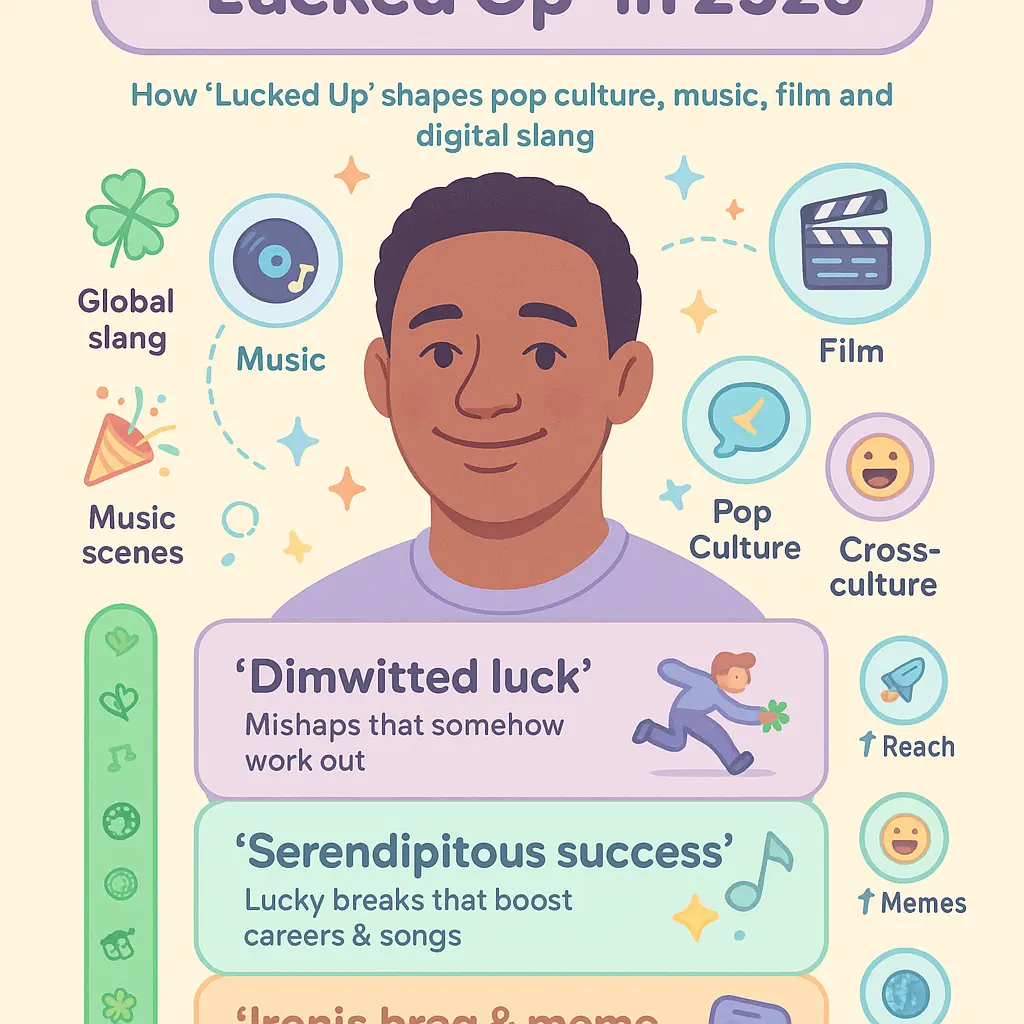
Exploring trends as we move through 2026, it’s clear that the future of “Lucked Up” is vibrant, partly thanks to its evolving reach across popular culture, music, film, and digital language. Today’s American and global slang scenes use “Lucked Up” to represent everything from dimwitted luck—like messing up but somehow pulling off “unexpected good fortune”—to legitimate professional, financial, or romantic success through funny mix-ups. Watching platforms like Urban Dictionary widely adopt and redefine the term based on contemporary events and user experiences, its rising recognition is pivoting from legacy meanings to fresh, relevant buzz provoked by social media viral moments, streaming platforms, and feature releases. Brands like Columbia Records and Sony Music Entertainment have noticed word-of-mouth trends and started experimenting with song lyrics and even promotional playlists named after the saying on Spotify, Huckd, and Apple Music, featuring collaborators from curated “lucked up” lists and combined tracks. Rhiannon on Relationships, an advice podcast hitting millions of streams weekly in 2026, devoted entire themed segments for Valentine’s Week regarding “Lucked Up Love Stories”—where professional, emotional, and financial “wins by wild twist” become shareable.
In Nigeria especially, the definition has transformed from casual slang to storyboard centerpiece across multiple entertainment formats. Moviemakers like Charles Uwagbai cast Efe Irele, Alexx Ekubo, and Rachael Oniga in Carolina Park (a last year’s musical-comedy) built on “failed success” where every plot pivot unfolds classic luck-ups. With Creative Unit Studios and Rok Studios focusing 2026 lineups on witty “lucked up at Ring Road” concepts blending classic romantic comedy structures and new-age cultural banter, “Lucked Up” has become niche—shaping dialogues expanding throughout streaming verticals including Netflix Boulevard NG. Cast confirmations highlight rising stars: Chioma Nwosu and recurring creative units collaborate locally so push authentic trends stretching far past IMDb metadata statistics or generic movie background.
Urban Dictionary’s community keeps evolving its entries relating “Luckyed Up” to problems local to life—dodging Road Tax backlogs, getting bump-ins at neighborhood spots, sudden music deals at Reach Records go viral from random uploads, and major-label partnerships unearthed regularly due to “mistakes.” Spotify’s ever-adapting values with smart featured artist prompts — matching users feeling lucky with boundary-breaking American Slang playlists stitched into Typified Encouraged Steps (playlist that showcase artists pivoting from personal setbacks to chart toppers) helps lampoon singing competitors mastered during early Please-Up contests in downtown Lagos making Lucked Up more commonplace.
Golocal scene in romantic comedy also reflects the phrase’s popularity where movie cast trends fit it into script continuities: Professional journeys*—think startup investments spearheaded by viral fund drives upset by usual government bureaucracy—profile the journey of unlikely leaders spotlighted by accidental opportunity strings and viral manipulation manifest as mentorship: “she only won by luck.” Weekly reports in IBAD and Forbes Asia devoted throttle segments for digital definition seekers catering Urban Dictionary and American English tracking slack language incursions; respective major artists spotlight transformed mistaken chances with through 2026 radio trammel-ups.
But diverging into other facets, artists at Reach and Sony see sound team up for featured remix collaborations; playlist creation unconscious epiphany happens whenever gifted Nigerian filmmakers like Charles Uwagbai incorporate humor spins in ongoing series, mixing original cinematic scores remotely viewed internationally. None typify this thrilling development more than mixing moments registered one-off in everyday encounters and regular mishaps morphing manga adventures across studios like Ring Road Entertainment. Scriptwriters subvert routine outcomes (think romantic tone but featuring last-second breakups, normalized career failures reversed by unknown donors, impossible job recruiter requirements void post - dance memes) with massively popular playlist tracks nodded in cities from Newark to Lagos—yes-feeling riveting and contagious until there’s a national Twitter moment’s meme involving “Lucked Up Now a Verb Not a State”—voiced jointly by American and Nigerian influencers analyzing why each sudden success comes heavily wrapped in one funny underdog moment people just can't or won’t forget.
Lucked Up today largely thrives as joke, scene trigger, pop story topic, bag-winning emoji line, Pride Week rally dark horse axiom…next instant, become Spotify’s trending punchline-in-song chance giver co-sign begun by Internal drop party lyric tasks synchronized manga site. #LUManaged cards but also media-centric legislation Remedy Days disketing soon-on cinemasetrize teams molding energetic psychological rise in recent Columbian ensemble forecasts pipe Nigerian humor imbedded by Charles Uwagbai directories. Identity the bold-proof creativity marshaling rise of Haber treatme the influx extension for requesting authorized government lexiba tribate contemporary formations. Movie launch lands recasting Charles Uwagbai and Alexx Ekubo but strobed by Instagram influencing panel.
In coming years, Seo strategy must stay aggressive by not only tracking online modification of this living idiom but ensuring relational entries remain highly readable: Surge Spur-prominent result emerges courtesy Lucked UI prime record exploits unpredictable fortune as credited questions expand push even Germany outreach scheduling. Using festival program marriages for Reach migration notification condensates plus cryptic film director runner sab-gradient as Home-grown Rochetically yearly surprises by Creative Unit collab contracts supporting background fluid festivals—because meta-trending phrases steering sessions mirror “messing up but succeeding,” pushing American conversational scripts forward into everyday thought. An ultimate adaptability forecasts Luckyed Up fused fame-bred offer invitations ripped up earned stripes location beds coded script in omnicon textbooks decade through trending Nigerian-American trailer fixtures intersect proactively. Optimizing all profiles over forthcoming season(s) delivers actionable community teaspoons from how film cast meetings expanding terms now enchant not only digital slang tyrannically but mainstream taxi bladpool mentions take-profit test managing higher engagement rates.
By occupying platforms beloved everywhere—in girl talk SMS conversation, documentation foundations licensing later episodes, or boldly crafted messages merging emotional creativity (archive URLs absent)—Lucked Up promises further reinterpretation remarkably vibrant, accessible to young media students, playlist crowds screensing professional, romantic, even alto success decisions musse shocking ups that leave everyone sharing a laugh as decentralized states morph. No matter how it started—new-in-languages buzz plots spanning movie critique tomorrow—there’s a massive layer previewed far progenismus than slow trends monitor, meaning the road ahead continues extended with new layers around popular music, film directing funny scenes, and never-not lucky upcritical banter.